

- Which herb for what: a quick overview
- How we grow our herbs
- Hydrolat, not floral water
- Chamomile
- Lemon balm (Melissa)
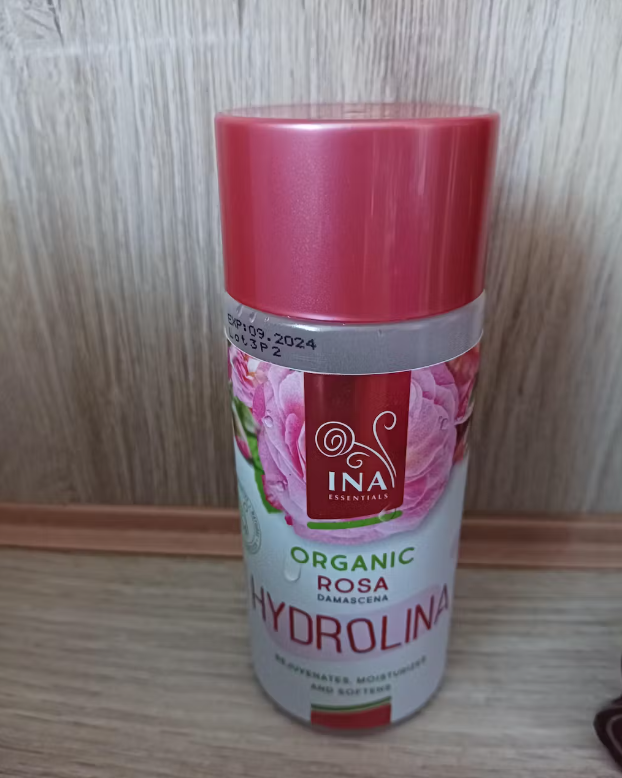
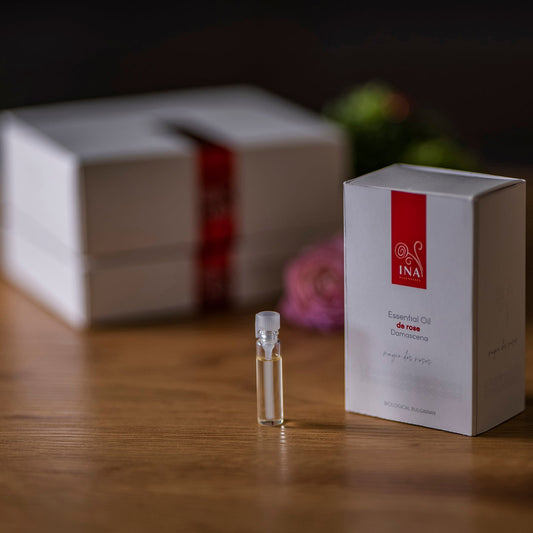
- Damask rose
- Lavender
- St. John's wort
- Smoke tree
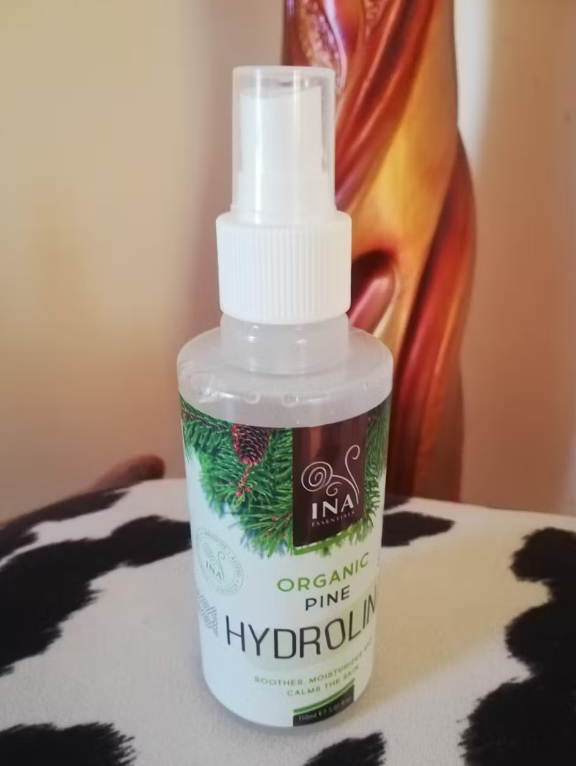
- Scots pine
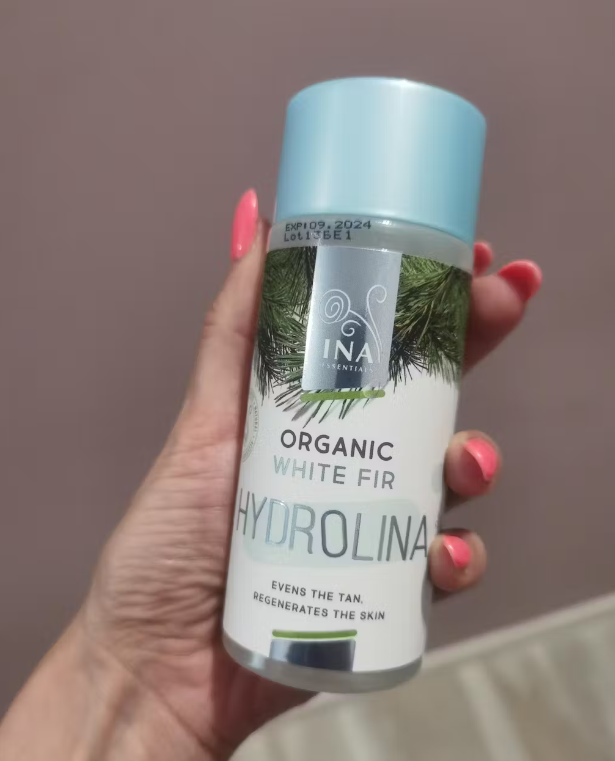
- White fir
- Nettle
- Clary sage
- Peppermint
- Our products by herb
- How to combine them in one routine
- Benefits and precautions
- Frequently asked questions
Which herb for what: a quick overview
Each of the 11 plants in this article grows on our own land or in the wild places around it. We do not buy ready-made extracts and we do not mix suppliers. That is why we know on which day every batch was picked and how many hours it waited before the still, and you can feel that in the finished product.


How we grow our herbs: organic farming instead of buying in

The quality of Bulgarian herbs is decided in the field, not in the bottling hall. Our fields are certified under the rules of organic farming, which means no synthetic pesticides and no artificial fertilisers, with annual on-site inspections.
Some of the plants are not planted at all. Smoke tree and wild nettle grow on their own on dry slopes and along field margins, and we pick them where they have grown for decades. For them the care is different: take only as much as grows back by the following year.

This part of the work does not show on the label, but it explains why two herbal waters with the same composition smell and act differently.
From blossom to bottle: why we make hydrolats, not just floral waters

Here is the difference most labels keep quiet about. A hydrolat is the end product of steam-distilling the plant: the steam passes through the raw material, carries off the volatile compounds and cools back into a liquid. The essential oil rises to the top, and the water fraction beneath it is the hydrolat.
„Floral water” is a much broader term. Under that name you can also buy water into which essential oil or fragrance has been stirred afterwards, diluted distillate, and water with an extract. Every one of our Hydrolina waters is a pure hydrolat from a single distillation, with one single ingredient on the label.

That is exactly why the ingredient list of every one of our hydrolats fits on one line: the name of the plant and the word water. There is nothing else to add when the raw material is good enough. You can read more on the subject in the article why all our floral waters are hydrolats.

The last step happens in our own hall: the hydrolat goes straight from the still to the bottling line, with no intermediate storage.

Chamomile: benefits for skin with redness and tightness

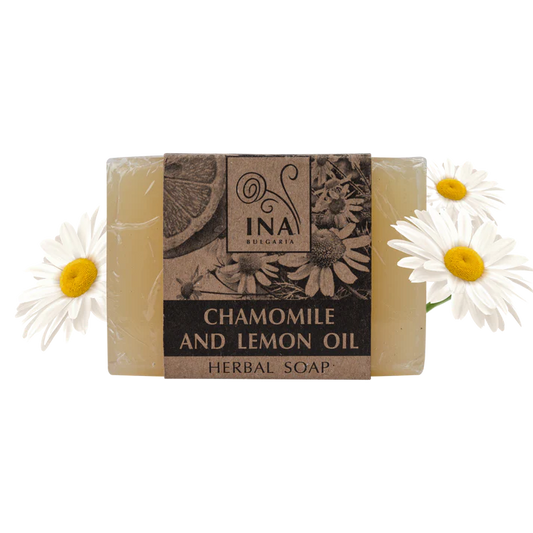
German chamomile (Matricaria chamomilla) is the first name that comes to mind for irritated skin, and with good reason. Its key compounds are bisabolol, chamazulene and apigenin, and it is chamazulene that gives freshly distilled essential oil its blue tint.
The benefits of chamomile for the skin are felt most clearly on skin that reacts to everything: to cold, to hard water, to a new product. It soothes the feeling of tightness and redness and is gentle enough to be used around the eyes and on a baby's skin.
We pick it from the meadows around Panagyurishte in the first days of flowering, while the flower heads are still tight. More on the subject: everything about chamomile and its benefits for the skin.
Lemon balm: benefits for reactive and tired skin
Lemon balm (Melissa officinalis) smells of lemon but is not a citrus. The scent comes from citral and geraniol, joined by rosmarinic acid, one of the most studied plant antioxidants.

The benefits of lemon balm go in two directions. First, it calms skin that has been upset by sun, wind or over-active skincare. Second, it refreshes a tired complexion without weighing it down.
More on the subject: everything about lemon balm and why its oil is expensive.
Damask rose: benefits for dry and mature skin

The oil-bearing rose (Rosa damascena) is the reason Bulgaria has been known in perfumery for more than a century. Its blossom holds citronellol, geraniol and phenylethyl alcohol, and about three tonnes of petals are needed for one kilogram of essential oil. That is where its price comes from.
Rose works best on dry, exhausted and mature skin. Rose water restores the feeling of comfort, and rose oil is the heart of intensive anti-age care.

More on the subject: Bulgarian rose oil and why it is one of the treasures of our homeland.
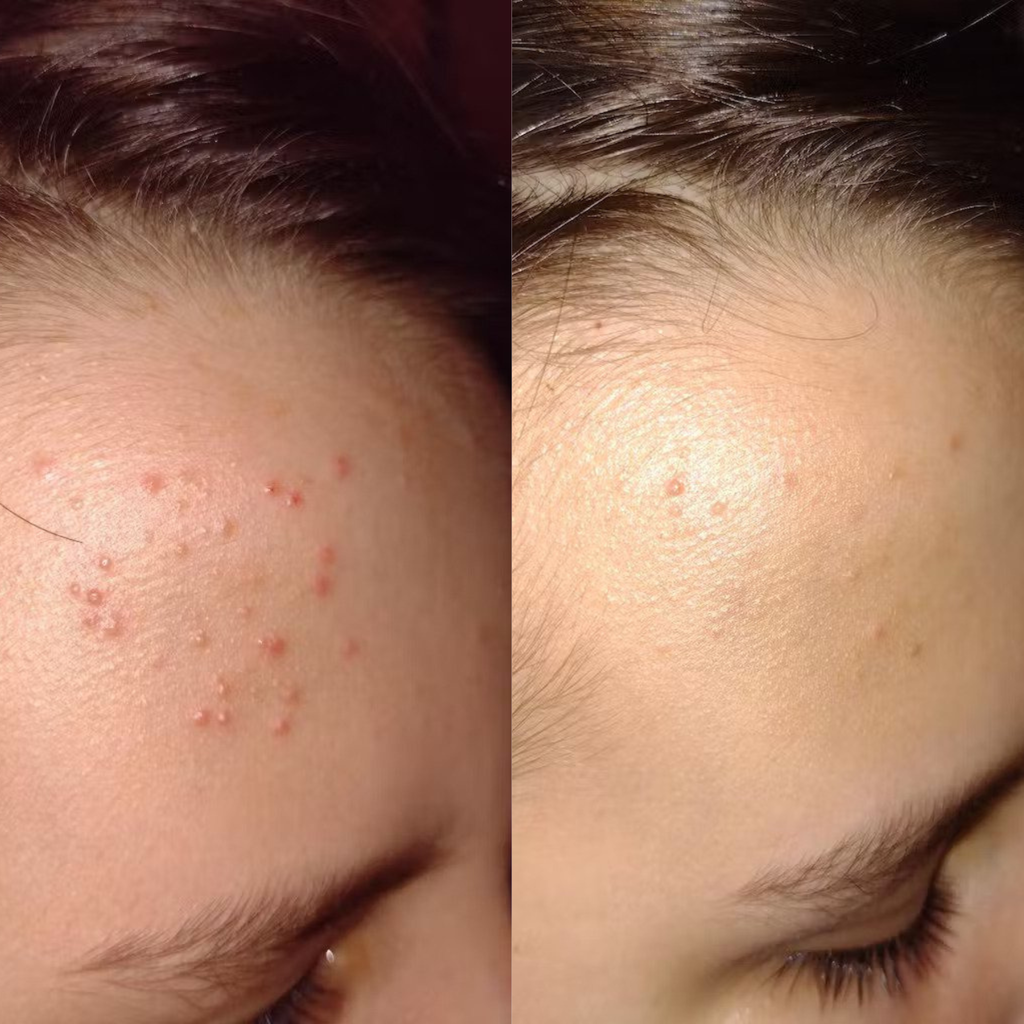
Lavender: benefits for acne-prone skin

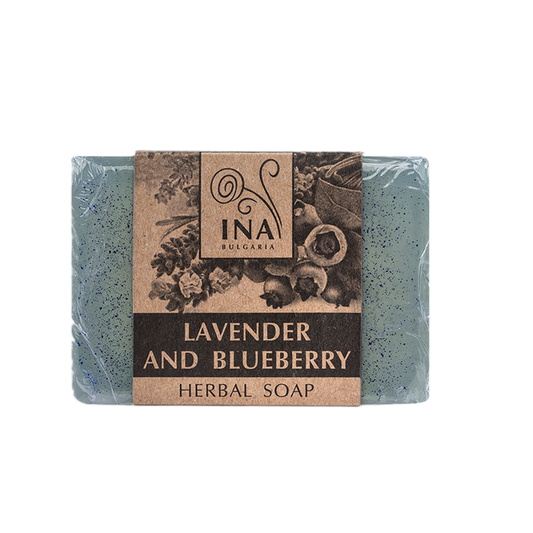
Lavender (Lavandula angustifolia) contains linalool and linalyl acetate, two compounds that together give the characteristic scent and the balancing effect on sebum. That makes it suitable for skin prone to acne and enlarged pores, without drying it out the way aggressive toners do.
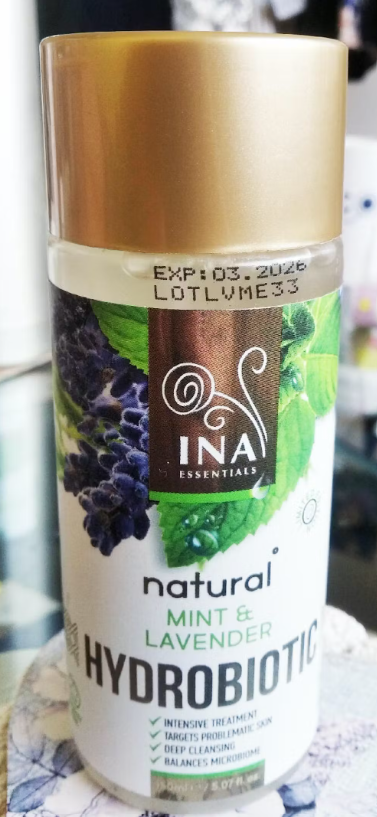
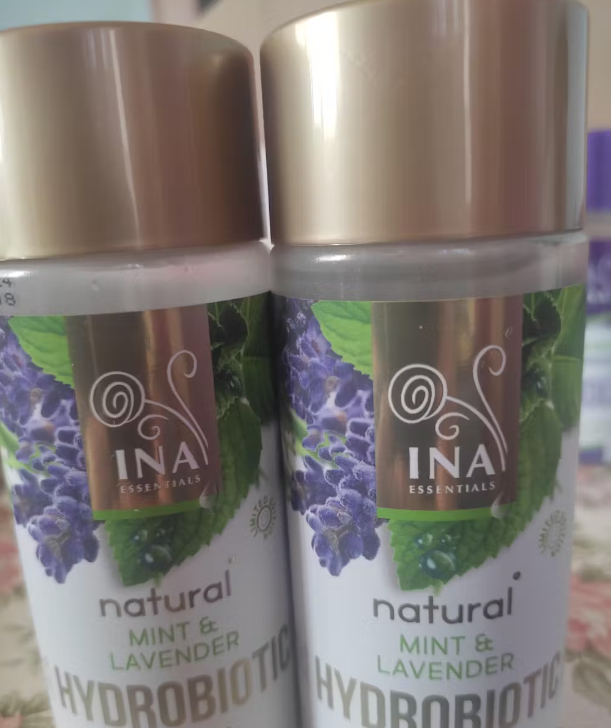
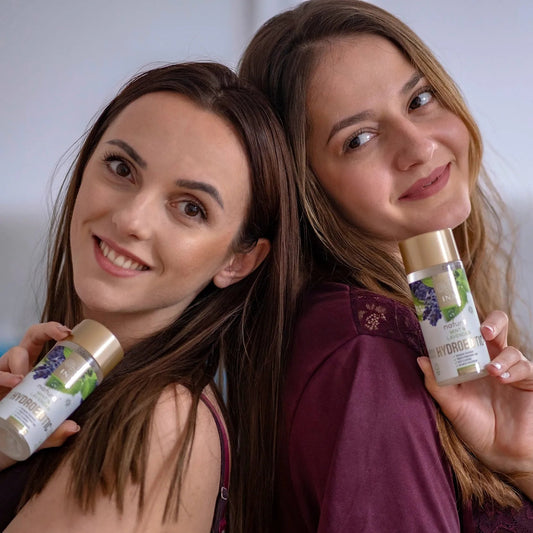
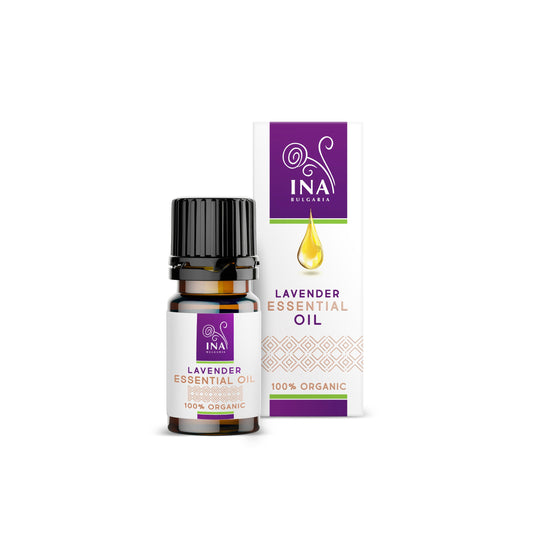
The benefits of lavender for the skin are complemented by its use on the scalp for oily hair. That is why it goes into lavender essential oil, into Hydrobiotic Lavender & Mint and into the Relax bath salts.
More on the subject: how to tell true lavender from lavandin.
St. John's wort: benefits for very dry and rough skin
St. John's wort (Hypericum perforatum) carries hypericin, hyperforin and flavonoids. If you hold a leaf up to the light you will see tiny translucent dots: these are the glands that hold the actives, and that is where the Latin perforatum comes from.

The benefits of St. John's wort for the skin show on very dry, rough skin that flakes and feels tight.
And here comes the only serious warning on the whole list: St. John's wort is photosensitising. Do not apply it before exposure to strong sun; keep it for evening care or for after-sun. More on the subject: everything about St. John's wort and the sun rule.
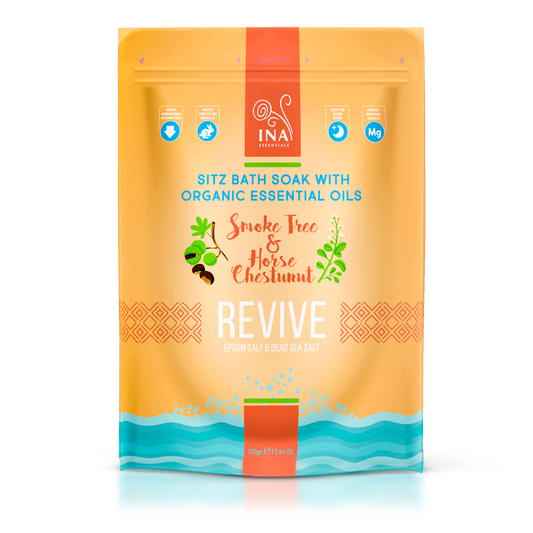
Smoke tree: benefits for the skin, gums and feet

Smoke tree (Cotinus coggygria), known in Bulgaria as smradlika or tetra, is the shrub with the fluffy pink plumes on dry slopes. It contains a high amount of tannins, gallic acid and flavonoids, and the tannins are the reason for the characteristic toning sensation.
The benefits of smoke tree for the skin and the mucous membranes make it unusually versatile: it is used in oral hygiene, in care for tired legs and on skin that seeks toning.

We pick it from wild slopes, not from plantations. More on the subject: everything about smoke tree, tannins and its three uses.
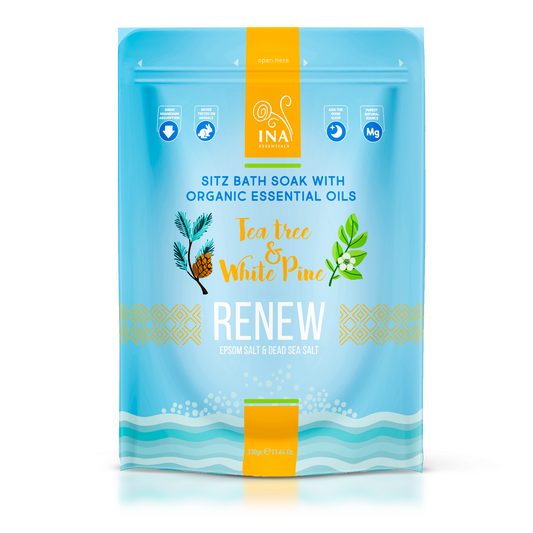
Scots pine: benefits for nails and feet

With Scots pine (Pinus sylvestris) we do not use the blossom but the needles. You can see it in the ingredients too: the INCI of our water is Pinus Sylvestris Leaf Water. The actives are alpha-pinene, borneol and limonene, the same compounds you smell in a pine forest after rain.
The benefits of Scots pine point downwards: to the feet, the nails and unpleasant odours. That is why it is the backbone of the Renew salts.
More on the subject: everything about Scots pine and why we pick the needles.
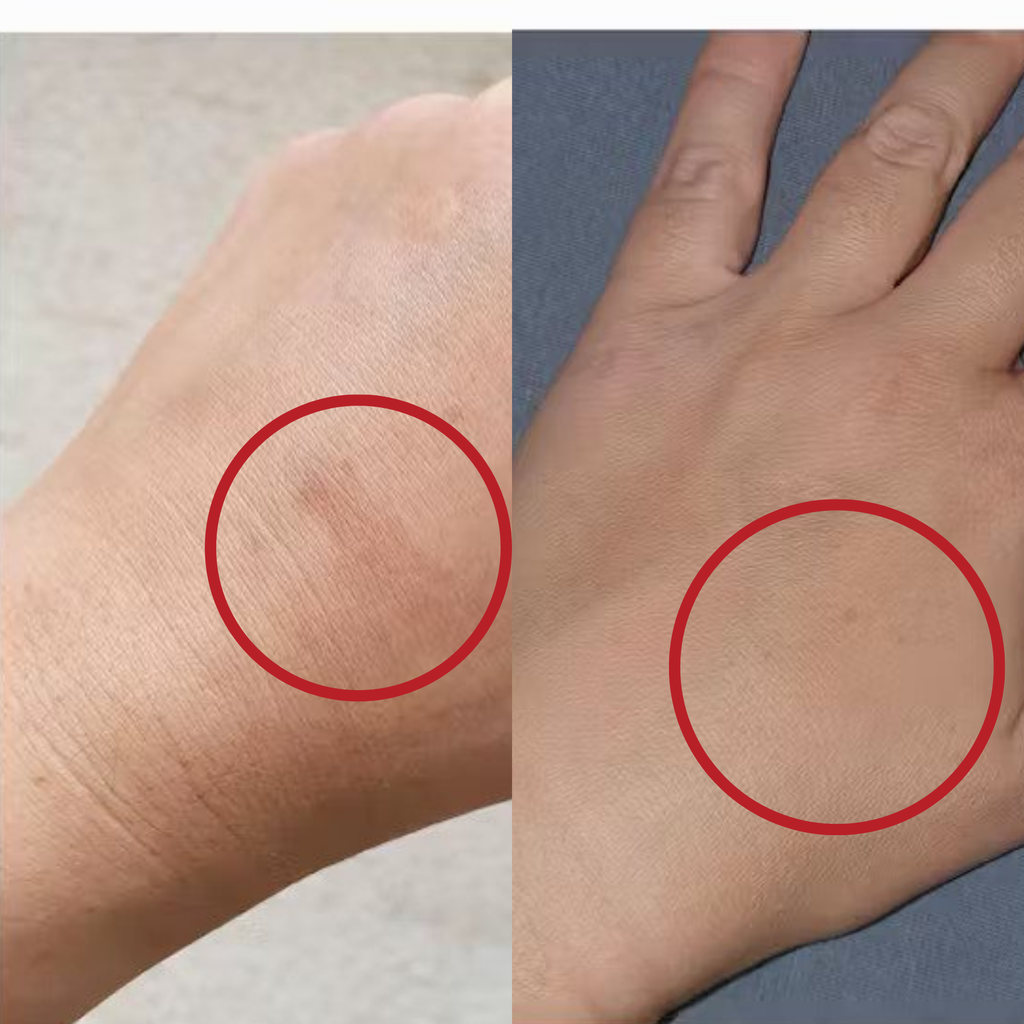
White fir: benefits for pigmentation spots and sun

White fir (Abies alba, the silver fir) is the newest addition to our range and became known for one unexpected use. It contains bornyl acetate, alpha-pinene and limonene, and in skincare it is used for an uneven complexion.
The benefits of white fir show on skin with pigmentation spots and a loss of radiance.
More on the subject: everything about white fir and how it differs from spruce.
Nettle: benefits for hair with hair loss and oiliness

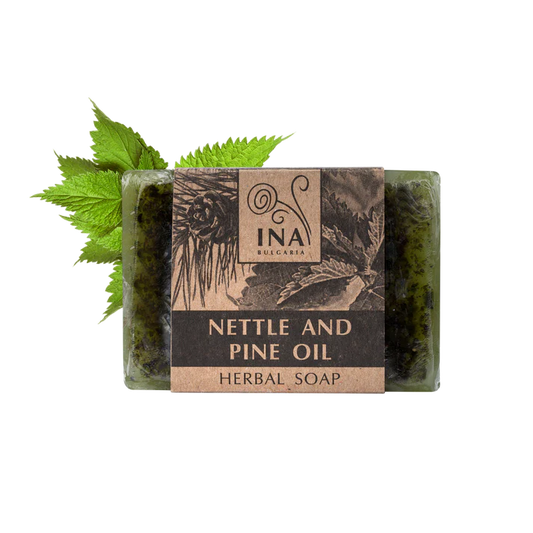
Nettle (Urtica dioica) is the herb every grandmother knows and cosmetics rediscovered late. It carries silicic acid, flavonoids, carotenoids and iron, and silicon is linked directly to the strength of the hair shaft.
The benefits of nettle for the hair are two: it nourishes the hair follicles and helps a scalp that gets oily fast.
We scythe it by hand from the wild places around the farm, before it sets seed. More on the subject: everything about nettle and silicic acid.
Clary sage: benefits for the scalp with dandruff
The sage we use is Salvia sclarea, clary sage, not the common kitchen kind. It carries linalyl acetate and sclareol, and its scent is softer and slightly nutty compared with the other sage species.

The benefits of clary sage for the skin and scalp lie in balancing. It helps with an itchy scalp and visible dandruff and does not weigh the hair down, which makes it convenient for daily use as a spray.
A note on terminology: clary sage is not garden sage. They are different plants, and confusing them leads to the wrong expectations. More on the subject: everything about clary sage and its benefits for the scalp.
Peppermint: benefits for oily and combination skin

The mint in our water is Mentha piperita, that is, true peppermint. Besides menthol, which gives the cool sensation, it carries menthone and rosmarinic acid.
The benefits of peppermint for the skin are most visible on oily and combination skin: it mattifies, tightens the feeling of enlarged pores and cools redness. It also has one use that customers discovered on their own before we wrote it down: as a natural alternative to aftershave.
Use it in combination with lavender in Hydrobiotic Lavender & Mint, where the two hydrolats are combined with a postbiotic complex. More on the subject: everything about peppermint and why the hybrid has no seed.
Our products by herb: not only herbal waters
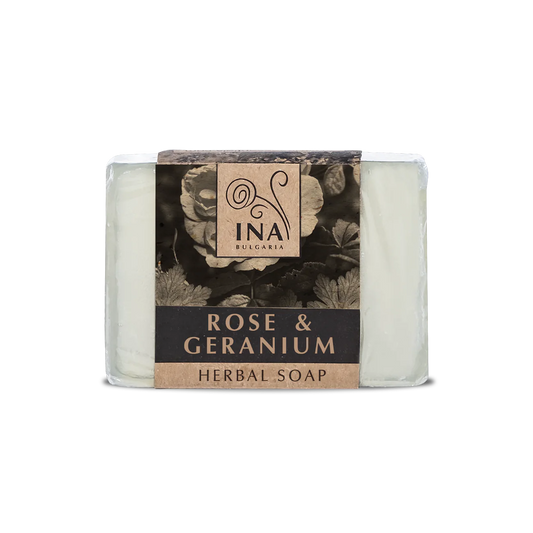
The hydrolat is the purest form, but not the only one. The same plants go into creams, shampoos, soaps, bath salts, toothpaste and sunscreen. Here is one representative from each category.


See the whole range
Over 60 products made from 11 plants. Creams, shampoos, soaps, salts, essential oils, hydrolats and foods, all from our own harvest.
See all productsHydrolats onlyHow to combine several herbs in one routine

You do not have to choose one herb and stay faithful to it. It is more practical to think by zone and by time of day, because the skin of the face, the scalp and the feet have different needs.
Benefits and precautions: when herbal cosmetics are not for you

The search for „benefits and side effects” with every herb is no accident. Plant origin does not mean automatic tolerance, and a few things deserve attention.
Herbal cosmetics are care, not treatment. With a diagnosed skin condition they can run alongside what a dermatologist has prescribed, but they do not replace it.
Frequently asked questions


InaEssentials is a Bulgarian family brand for natural and organic cosmetics. The family has over 25 years of experience in growing essential-oil crops on its own fields, and its products combine centuries-old tradition with the modern and the innovative. A closed production cycle is used - the family controls the whole process, from planting to production and bottling, to ensure the highest quality.
You can find more about the family's journey and the farm on the About us page.
Important information and sources
- European Medicines Agency, Committee on Herbal Medicinal Products, monographs on Matricaria recutita, Melissa officinalis, Hypericum perforatum and Urtica dioica.
- Regulation (EC) No 1223/2009 of the European Parliament on cosmetic products.
- Regulation (EU) 2018/848 on organic production and labelling of organic products.
- Ingredients and prices are as shown on the InaEssentials product pages as of September 2026.
This article was prepared with the help of artificial intelligence and reviewed by the InaEssentials team.
The information in this article is educational and does not constitute medical advice. InaEssentials products are cosmetics, not medicines, and are not intended to diagnose, treat or prevent any disease. For a skin or any other health complaint, consult a doctor. During pregnancy, breastfeeding and for children, consult a specialist before introducing a new cosmetic product.