

- What smoke tree is and why it is called that
- Where it grows and how we harvest it
- The actives and what they do
- Benefits for the skin
- Benefits for the gums and oral hygiene
- Benefits for the legs and heaviness in them
- How we turn it into a hydrolat
- Our products with smoke tree
- Benefits and precautions: who should take care
- Frequently asked questions
What smoke tree is and why it is called that

Smoke tree is a deciduous shrub that reaches five metres and is recognised by two things: the rounded blue-green leaves and those fluffy pink plumes that gave it the English name smoke tree. The plumes are not actually flowers. They are the elongated stalks of the unfertilised flowers, covered in fine hairs, and it is they that give the shrub the look of a pink cloud in June.
The Bulgarian name smradlika sounds unflattering, but it simply comes from the sharp scent of the crushed leaves. In parts of Bulgaria you will also hear tetra, and in places „peruka”, the wig. Botanically the plant belongs to the cashew family, Anacardiaceae, the same one pistachio and mango belong to.
There is also one detail that explains a lot: smoke tree was a raw material for tanning leather and for yellow dye long before it entered cosmetics. The reason is the same in all three cases, namely the high tannin content.
Where smoke tree grows and how we harvest it

Smoke tree is not planted. It grows on its own on dry limestone slopes, along field margins and in sparse oak woods across the whole country, and it loves exactly what other crops cannot stand: poor soil, plenty of sun and little water.

That is why caring for it is different from caring for a field. With wild-growing herbs the question is not how much we will fertilise, but how much we can take without harming the shrub. We pick the branches selectively, from different parts of the stand, and leave enough for it to recover by the following year.
The actives in smoke tree and what they do

If you need to remember only one word about this herb, it is tannins. These are polyphenols that bind to proteins and give the toning sensation, the same one you know from strong tea or an unripe quince. In smoke tree their content is remarkably high, which is also why the shrub was used for centuries in leather processing.
Beside them stand gallic acid and several flavonoids, among them myricetin and fisetin. Fisetin is relatively rare in cosmetic plants, and smoke tree is one of its known plant sources.
The benefits of smoke tree for the skin


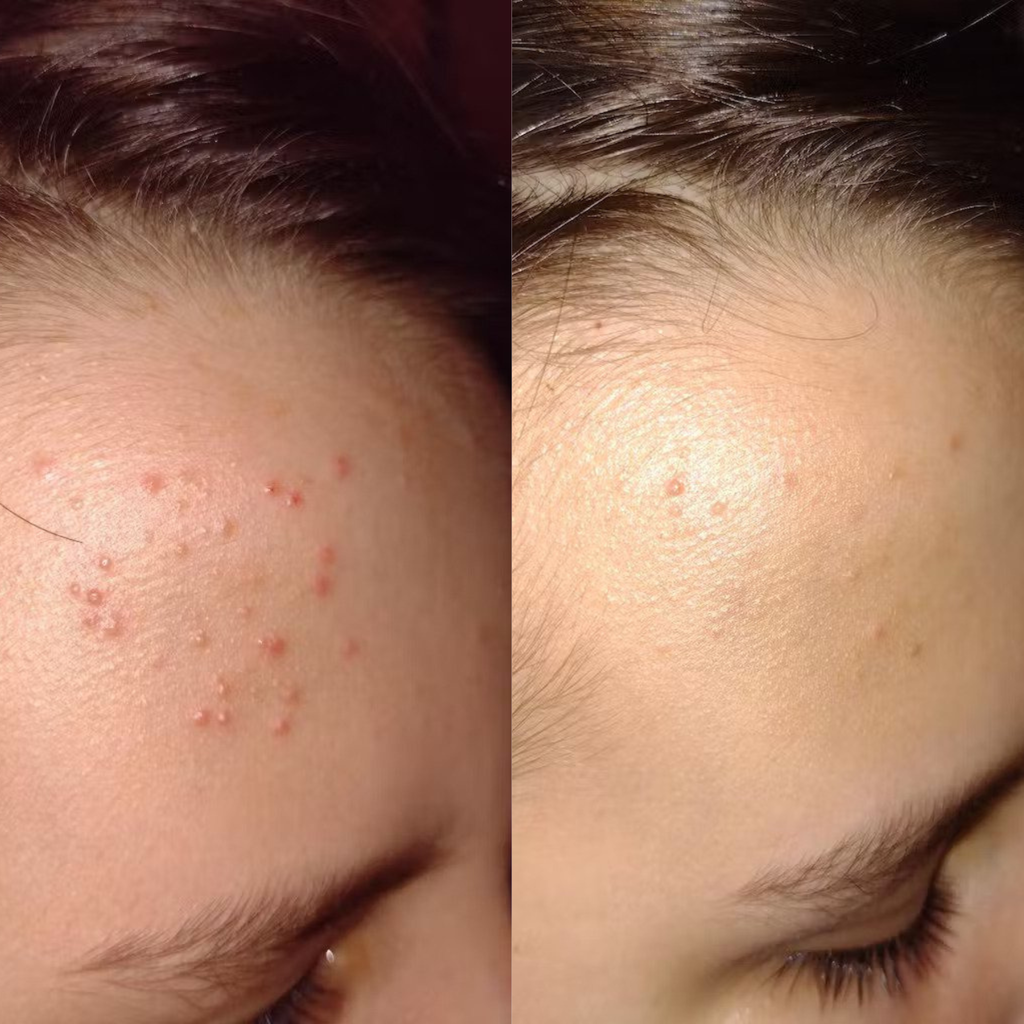
The benefits of smoke tree for the skin revolve around one sensation: toning without drying. The hydrolat is well tolerated by skin that seeks freshness and a firmer look, and the tannins are the reason the effect is felt immediately after application.

In our creams smoke tree does not work alone. It goes together with horse chestnut, because the two complement each other: chestnut is the traditional choice for a feeling of heaviness and puffiness, while smoke tree adds the toning component.
The benefits of smoke tree for the gums and oral hygiene

Here is the use that made the herb known beyond the region. A smoke tree decoction for rinsing the mouth is one of the most enduring home practices in Bulgarian tradition, and it is the reason smoke tree is the basis of oral hygiene care with one single ingredient.
The same active also works in toothpaste, combined with Black Sea minerals and a postbiotic, without fluoride.
The benefits of smoke tree for the legs
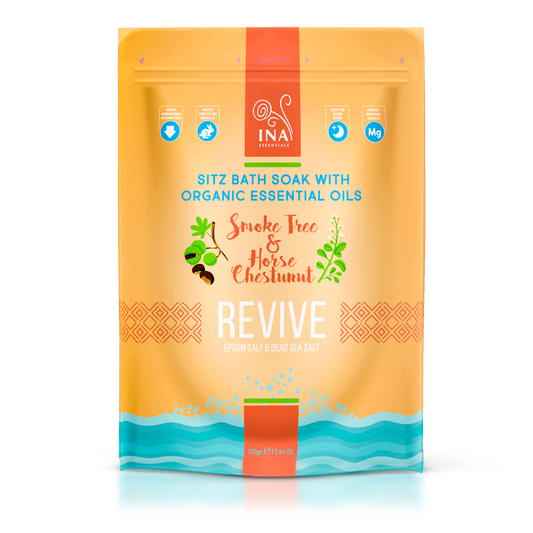
The third use is the least expected: smoke tree in care for legs that feel heavy and tired at the end of the day, together with horse chestnut.
The combination is no accident. The toning action of the tannins and the traditional use of horse chestnut go in the same direction, and a warm bath with the salts adds what no active can replace: half an hour with your legs up.
How we turn smoke tree into a hydrolat

The process is the same as with every one of our herbal waters. The steam passes through the plant mass, carries off the volatile compounds and cools back into a liquid. What remains after the oil is separated is the hydrolat, not a diluted extract and not water with fragrance.
Our products with smoke tree

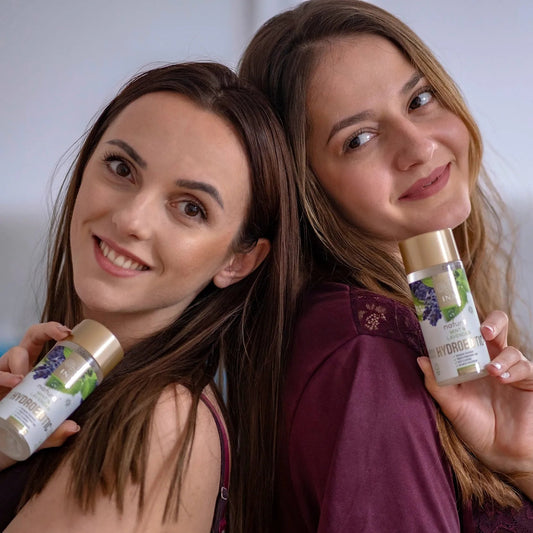
Smoke tree is the herb with the widest use in our range. It goes into oral hygiene, into care for the legs and veins and into the cleaning solution.

See the whole range
Over 60 products from 11 plants, grown and distilled by us. Creams, shampoos, soaps, salts, essential oils and hydrolats.
See all productsOral hygieneBenefits and precautions: who should take care
Smoke tree is a well-known herb, but with it too the benefits and precautions go together with a few practical rules.
Herbal cosmetics are care, not treatment. With bleeding gums that do not settle, with varicose veins or another diagnosed condition, consult a specialist. The product can run alongside what has been prescribed, but it does not replace it.
Frequently asked questions


InaEssentials is a Bulgarian family brand for natural and organic cosmetics. The family has over 25 years of experience in growing essential-oil crops on its own fields, and its products combine centuries-old tradition with the modern and the innovative. A closed production cycle is used - the family controls the whole process, from planting to production and bottling, to ensure the highest quality.
You can find more about the family's journey and the farm on the About us page.
Important information and sources
- European Medicines Agency, Committee on Herbal Medicinal Products, monographs on tannin-containing plant raw materials.
- Regulation (EC) No 1223/2009 of the European Parliament on cosmetic products.
- Regulation (EU) 2018/848 on organic production and labelling of organic products.
- Ingredients and prices are as shown on the InaEssentials product pages as of September 2026.
This article was prepared with the help of artificial intelligence and reviewed by the InaEssentials team.
The information in this article is educational and does not constitute medical advice. InaEssentials products are cosmetics, not medicines, and are not intended to diagnose, treat or prevent any disease. For a skin, dental or any other health complaint, consult a specialist. During pregnancy, breastfeeding and for children, consult a doctor before introducing a new cosmetic product.