

- Which chamomile we use and how to recognise it
- How we grow and harvest chamomile
- The actives and what they do
- Benefits for skin with redness
- Chamomile for baby and children's skin
- How we turn it into a hydrolat
- Our products with chamomile
- How to use it every day
- Benefits and precautions: who should take care
- Frequently asked questions
Which chamomile we use and how to recognise it

The species we use is Matricaria chamomilla, also known as German or medicinal chamomile. It is an annual plant with fine, feathery leaves and small flower heads with white ray florets around a raised yellow centre.
There is one sign by which chamomile differs from all the daisies that resemble it, and it takes a second to check: cut the yellow centre lengthwise. In true chamomile it is hollow and cone-shaped. In dog chamomile and similar species the core is solid.
The plant belongs to the daisy family, Asteraceae, the same one marigold, chrysanthemum and ragweed belong to. This detail is worth remembering, because it has a bearing on tolerance.
How we grow and harvest chamomile

The chamomile around Panagyurishte grows in meadows, not in tidy beds. The land is certified under the rules of organic farming: no synthetic pesticides and no artificial fertilisers.
We pick in the first days of flowering, when the white petals still stand upright or have only just started to droop. Later the flower head starts to shed and the yield drops. The window is short, and in a warm year it shifts by days, so the field is walked almost daily.
The actives in chamomile and what they do

The first name is alpha-bisabolol, a sesquiterpene alcohol that is among the most widely used soothing actives in cosmetics altogether. The second is apigenin, a flavonoid widely studied as an antioxidant.
The third is the most interesting. The fresh plant holds matricin, a colourless compound. During steam distillation it turns into chamazulene, and chamazulene is deep blue. That is why freshly distilled chamomile essential oil has that surprising ink-blue colour, which comes from no colourant but is born in the still.
The benefits of chamomile for skin with redness


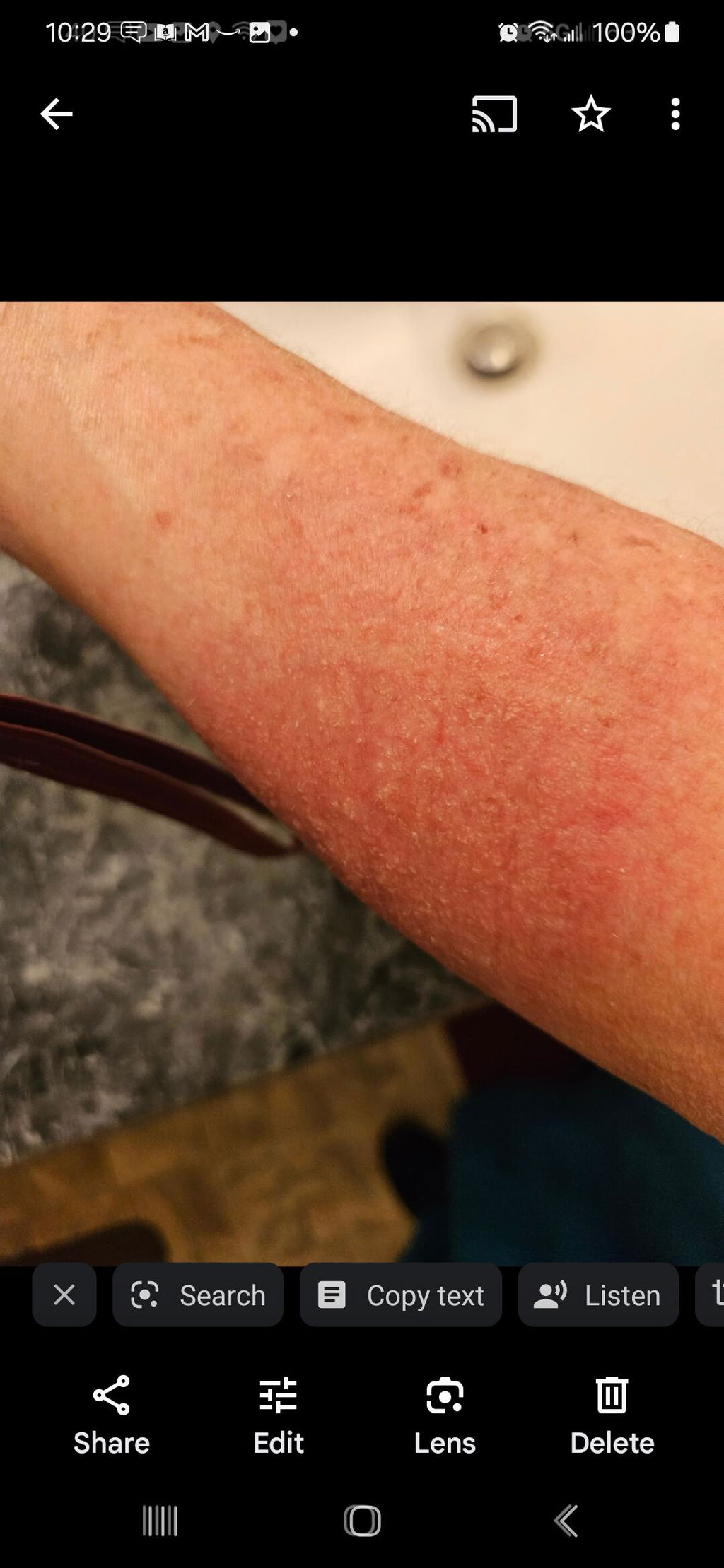
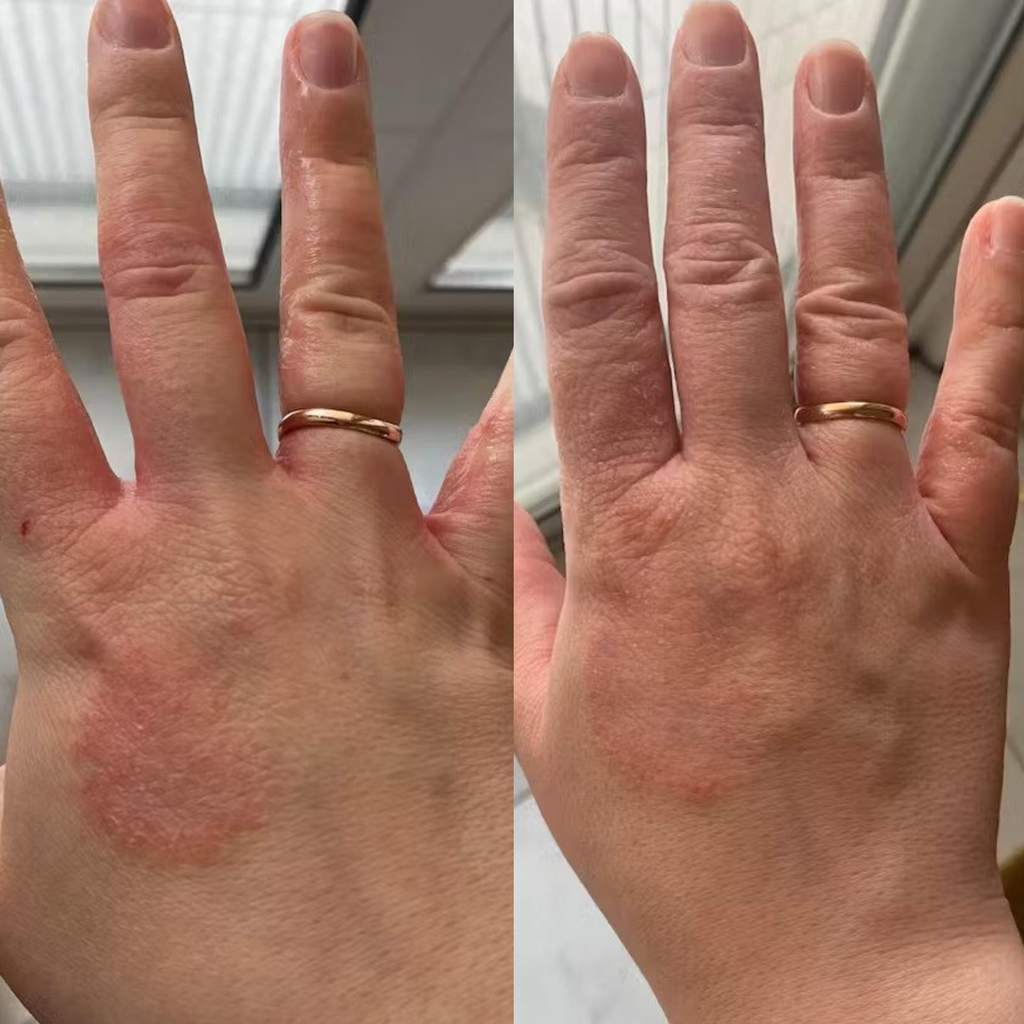
The benefits of chamomile for the skin are felt most clearly on skin that reacts to trifles. If your complexion flares up from a cold wind, from hard water or from every new cream, chamomile is the herb worth starting with.
The hydrolat is applied neat, on a clean face, and supports the feeling of comfort and calm. It is gentle enough to be used around the eyes too, where most toners are unsuitable.
Chamomile for baby and children's skin

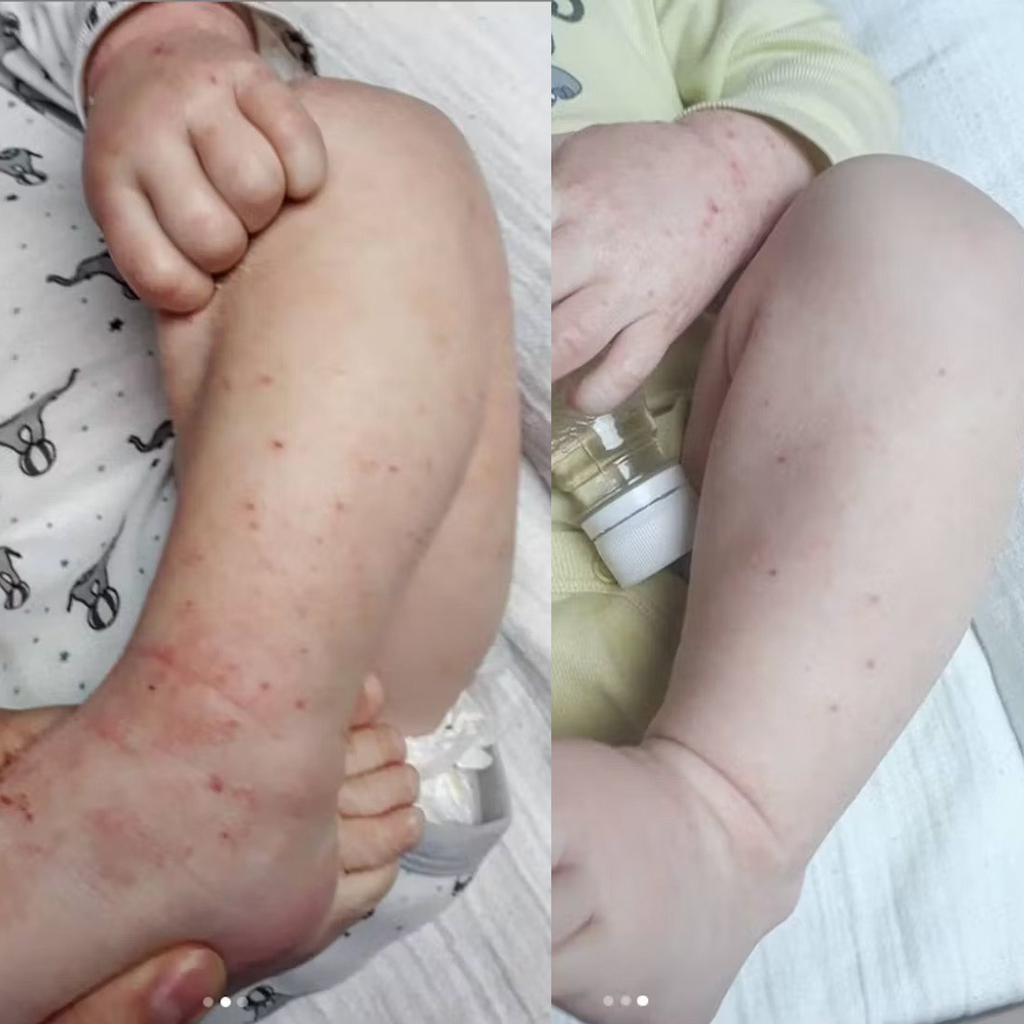
The reason chamomile is the first choice of many parents is simple: its ingredient list is short and its action gentle. Our hydrolat has one single ingredient, no preservatives, no fragrances and no colourants, which keeps to a minimum what a small skin can react to.
That does not make it a medicine. With a rash that does not go away, with weeping lesions or a suspected infection, see a paediatrician. Chamomile cosmetics are care that can run alongside what has been prescribed.
How we turn chamomile into a hydrolat

The steam passes through the flower heads, carries off the volatile compounds and cools back into a liquid. The blue essential oil rises to the top, and the water fraction beneath it is the hydrolat.
Our products with chamomile

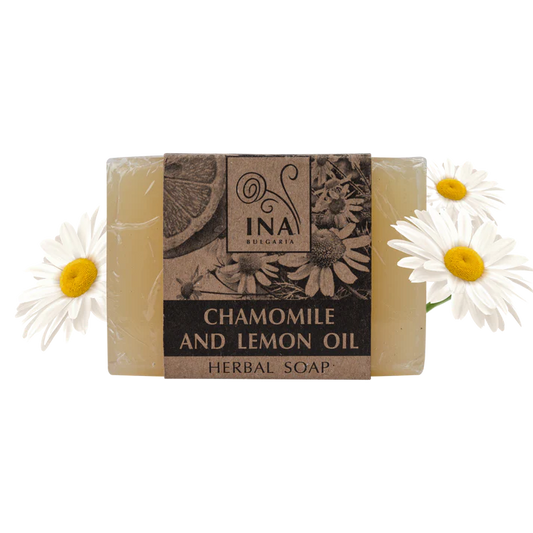
Chamomile goes into four stand-alone products and two long-term routines. In the soothing cream it works together with St. John's wort and propolis.
See the whole range
Over 60 products from 11 plants, grown and distilled by us. Creams, shampoos, soaps, salts, essential oils and hydrolats.
See all productsHydrolats onlyHow to use chamomile every day
Benefits and precautions: who should take care
With chamomile the benefits and precautions come down to one specific thing worth knowing in advance.
Frequently asked questions


InaEssentials is a Bulgarian family brand for natural and organic cosmetics. The family has over 25 years of experience in growing essential-oil crops on its own fields, and its products combine centuries-old tradition with the modern and the innovative. A closed production cycle is used - the family controls the whole process, from planting to production and bottling, to ensure the highest quality.
You can find more about the family's journey and the farm on the About us page.
Important information and sources
- European Medicines Agency, Committee on Herbal Medicinal Products, monograph on Matricaria recutita.
- Regulation (EC) No 1223/2009 of the European Parliament on cosmetic products.
- Regulation (EU) 2018/848 on organic production and labelling of organic products.
- Ingredients and prices are as shown on the InaEssentials product pages as of September 2026.
This article was prepared with the help of artificial intelligence and reviewed by the InaEssentials team.
The information in this article is educational and does not constitute medical advice. InaEssentials products are cosmetics, not medicines, and are not intended to diagnose, treat or prevent any disease. For a skin or any other health complaint, consult a doctor. During pregnancy, breastfeeding and for children, consult a specialist before introducing a new cosmetic product.