

- How to recognise white fir
- Where it grows and how we harvest it
- The actives and what they do
- Benefits for an uneven complexion and pigmentation spots
- White fir and sun protection
- Benefits for the hair
- How we turn it into a hydrolat
- Our products with white fir
- Benefits and precautions: who should take care
- Frequently asked questions
How to recognise white fir

White fir is one of the tallest trees in Europe and reaches impressive sizes in old beech and mixed forests. It is recognised by three things, each of which sets it apart from spruce and from pine.
First, the needles are flat and soft, with a blunt tip, and are arranged in two neat rows on either side of the twig, like a comb. Second, if you turn a needle over you will see two silvery-white stripes on its underside, the stomatal bands to which the species owes its name. Third, its cones stand upright on the branch like candles and fall apart while still on the tree, instead of dropping whole.
Where white fir grows and how we harvest it

White fir prefers moist, shady mountain slopes and soils that hold water. In Bulgaria you meet it in the mixed forests of the middle and upper mountain belts, often alongside beech.
As with Scots pine, we distil the needles and the young tips, not the blossom and not the cones. The harvest is selective: we cut from different trees and from different parts of the crown so as not to burden one and the same tree.
The actives in white fir and what they do

The aromatic profile of white fir is softer and sweeter than that of pine, and the reason lies in the ratio of the compounds. Here bornyl acetate leads, an ester that gives the characteristic balsamic note everyone knows from the smell of a Christmas tree.
Beside it stand alpha-pinene, camphene and limonene. It is this combination that makes white fir hydrolat distinguishable from that of pine, although the two species belong to the same family.
The benefits of white fir for an uneven complexion and pigmentation spots


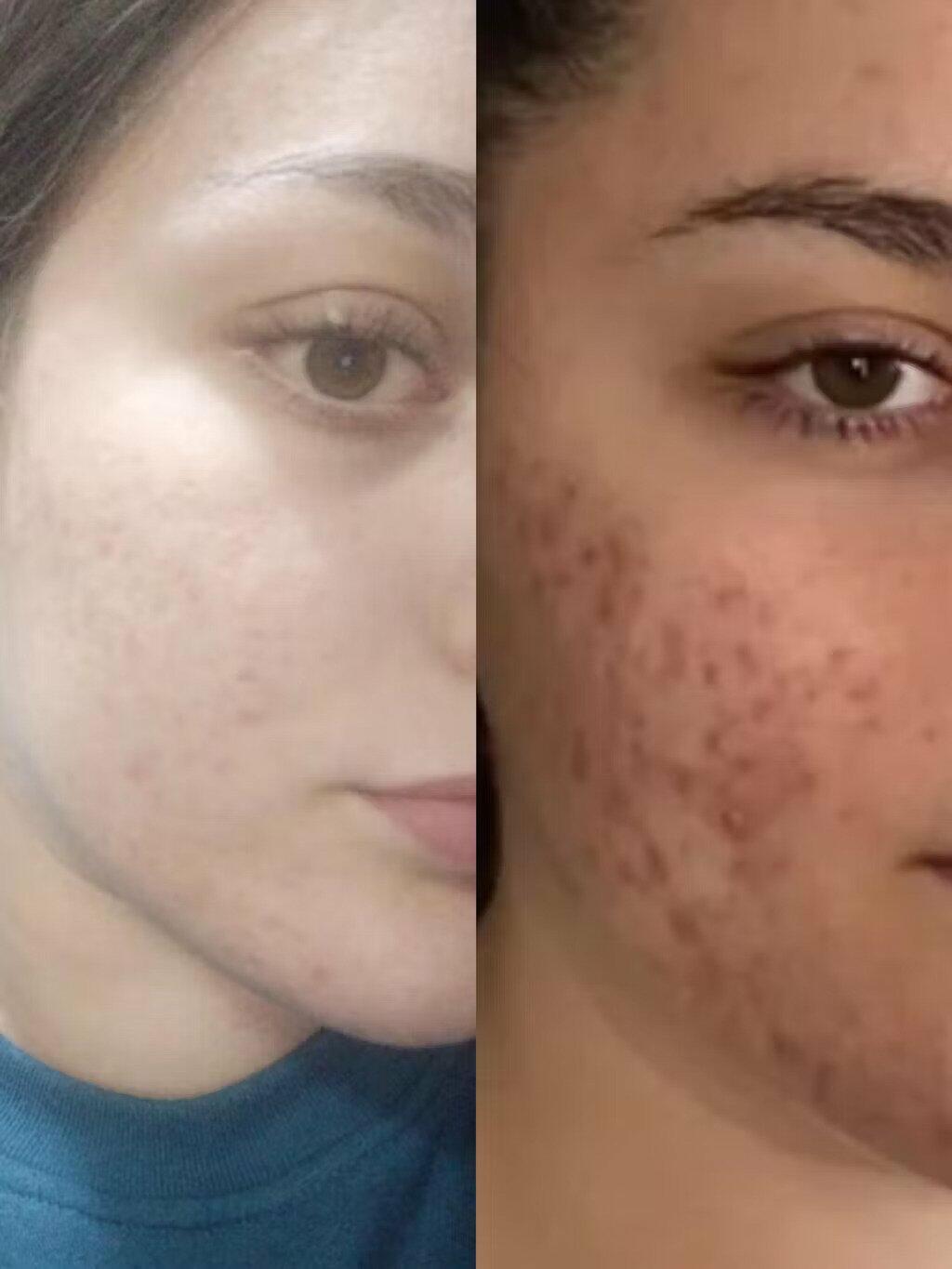
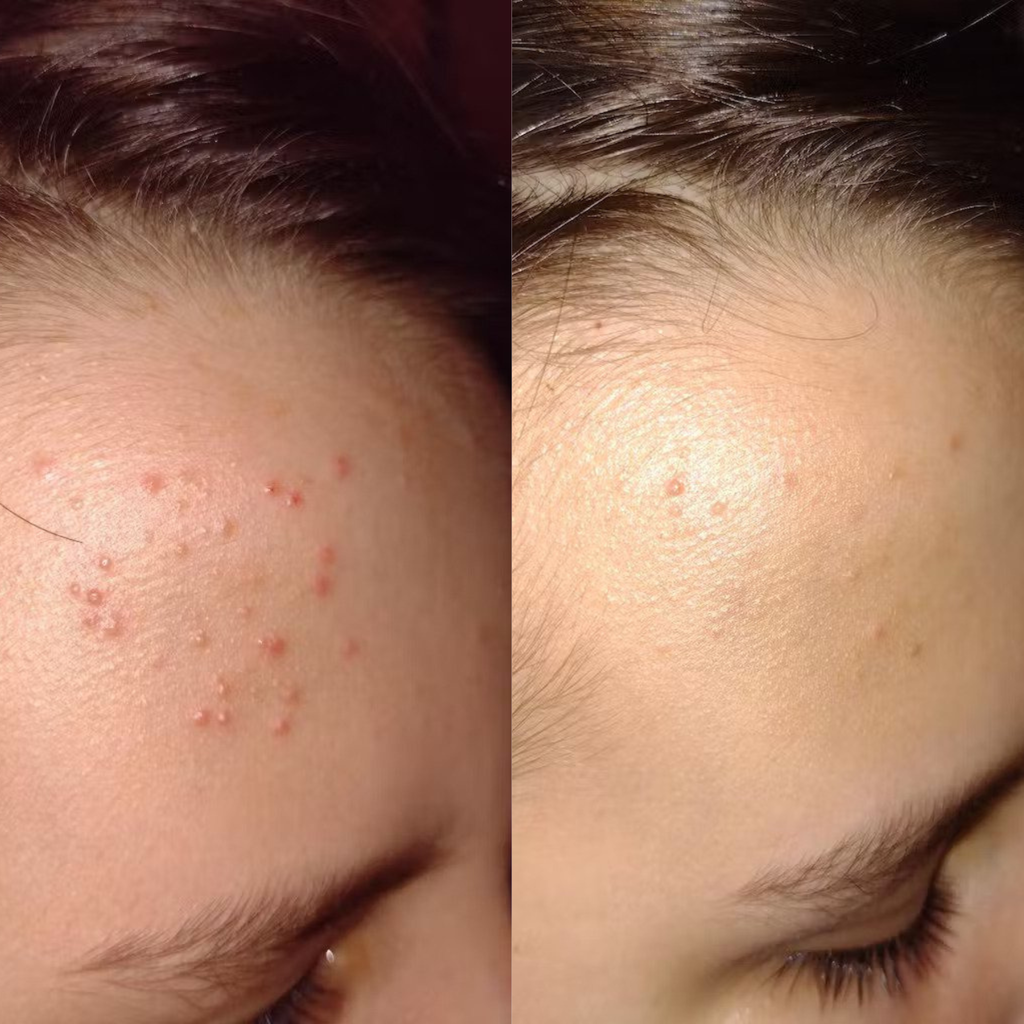
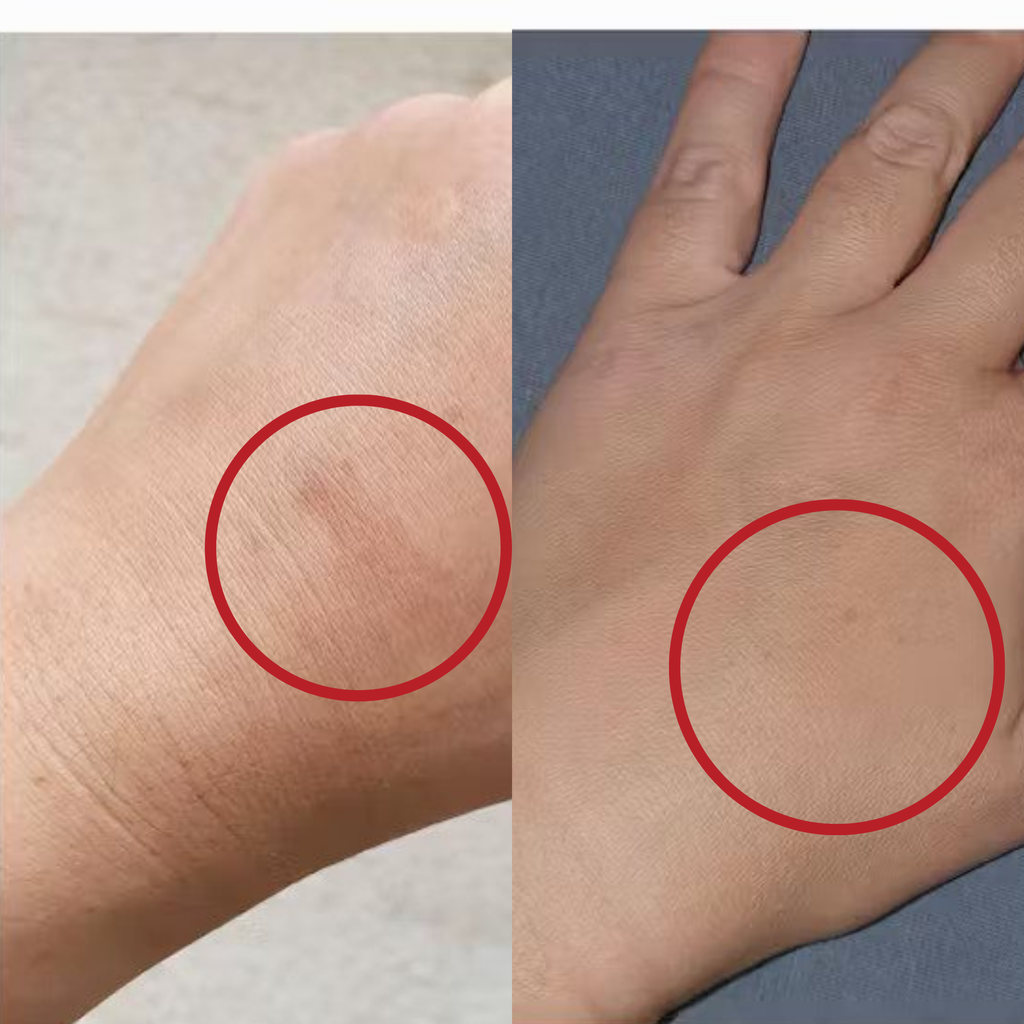
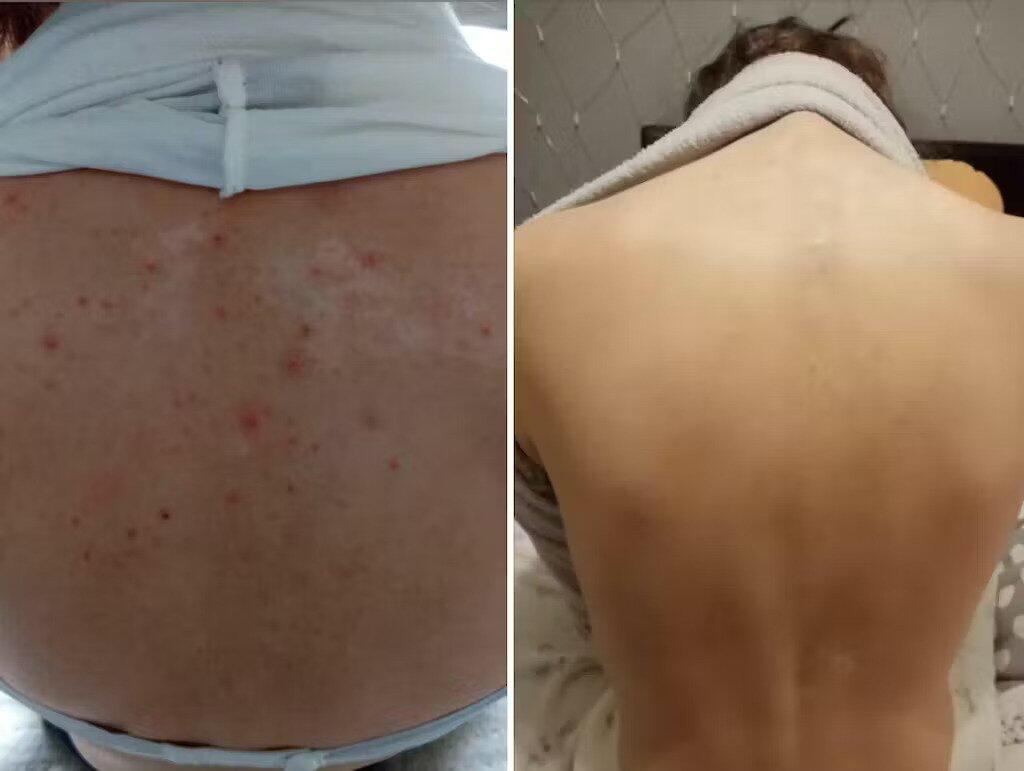
The benefits of white fir in facial care are sought for skin with an uneven complexion, a loss of radiance and visible pigmentation spots. The hydrolat is applied neat, morning and evening, on a clean face.
It is important to say what it does not do. The hydrolat does not bleach and does not remove pigmentation spots. What a cosmetic care can do is keep the skin in good condition and improve its appearance, while the main work on pigmentation is done by two other things: consistency and sun protection.
White fir and sun protection

White fir is often mentioned in connection with sun protection, so this is the moment for a clarification that is rarely made.
White fir really does have a natural factor of its own, around 4. That is rare: most plant raw materials make no measurable contribution to sun protection, and this one does.
The number, however, has to be read correctly. European rules set the lowest sun protection category at SPF 6, so a factor of 4 sits below the threshold from which one can speak of a sun protection product at all. That is why the natural factor of white fir is a contribution, not a substitute: in a sunscreen it has to go together with the filters that raise the protection to 50+.
The benefits of white fir for the hair
Outside facial care, white fir is also used in hair care, alongside rosemary oil, in nourishing care for every hair type.
How we turn white fir into a hydrolat

The steam passes through the layer of needles, carries off the volatile compounds and cools back into a liquid. The water fraction is the hydrolat: one ingredient, nothing added and nothing diluted.
Our products with white fir

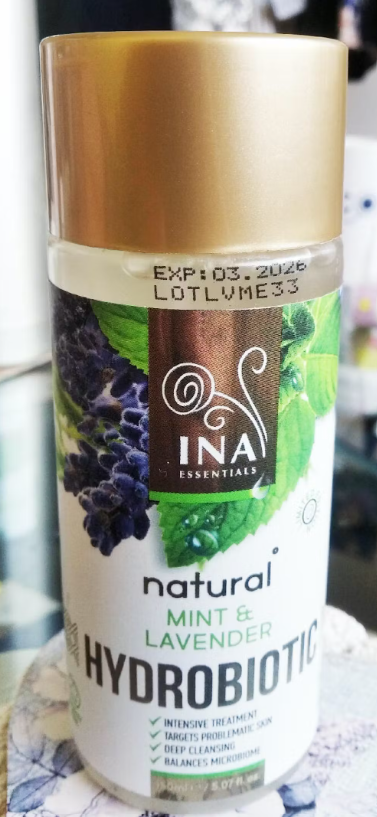
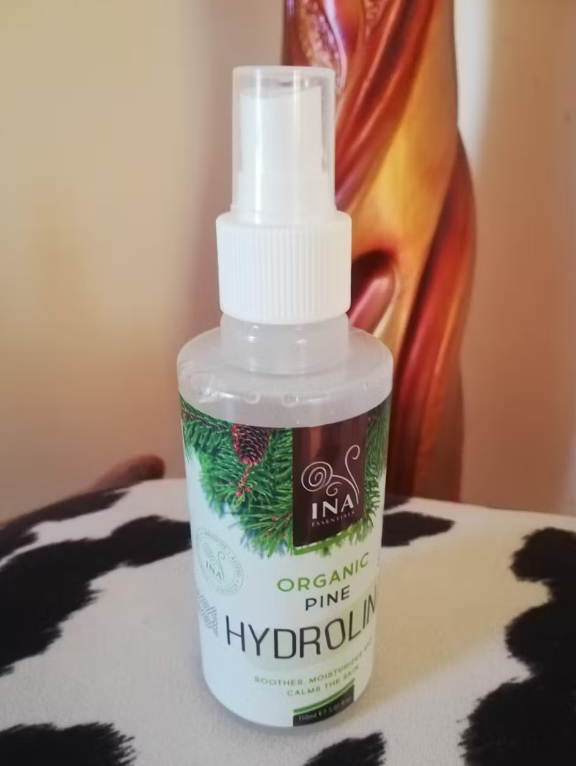
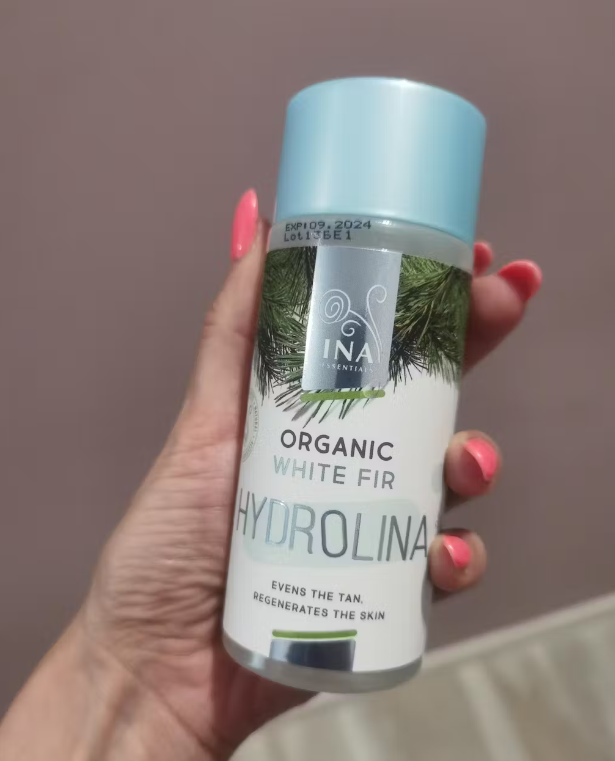
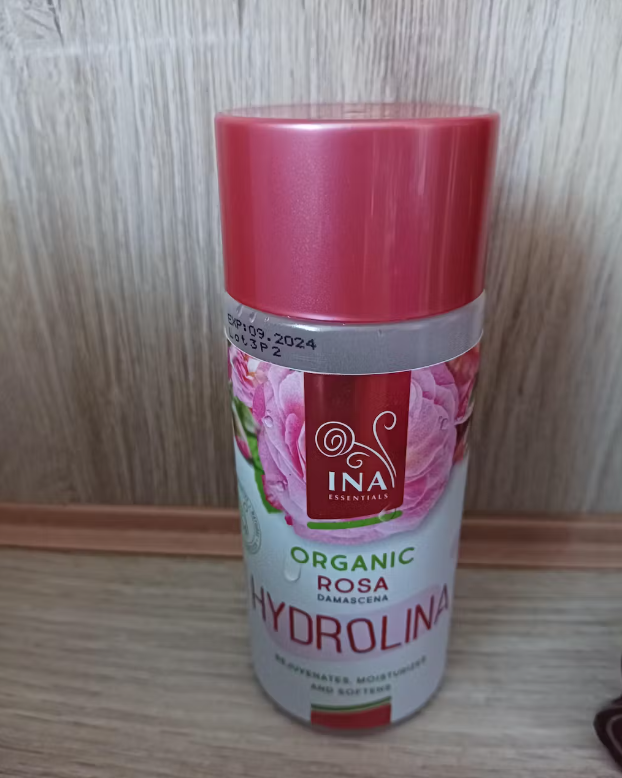
White fir is used as a stand-alone hydrolat, in Hydrobiotic together with rose and lemon peel, in hair care and in sun protection.

See the whole range
Over 60 products from 11 plants, grown and distilled by us. Creams, shampoos, soaps, salts, essential oils and hydrolats.
See all productsPigmentationBenefits and precautions: who should take care
For spots that change shape or colour, see a dermatologist. Cosmetics care for the appearance of the skin; they are not a diagnosis.
Frequently asked questions


InaEssentials is a Bulgarian family brand for natural and organic cosmetics. The family has over 25 years of experience in growing essential-oil crops on its own fields, and its products combine centuries-old tradition with the modern and the innovative. A closed production cycle is used - the family controls the whole process, from planting to production and bottling, to ensure the highest quality.
You can find more about the family's journey and the farm on the About us page.
Important information and sources
- European Medicines Agency, Committee on Herbal Medicinal Products, monographs on coniferous plant raw materials.
- Regulation (EC) No 1223/2009 of the European Parliament on cosmetic products.
- Regulation (EU) 2018/848 on organic production and labelling of organic products.
- Ingredients and prices are as shown on the InaEssentials product pages as of September 2026.
This article was prepared with the help of artificial intelligence and reviewed by the InaEssentials team.
The information in this article is educational and does not constitute medical advice. InaEssentials products are cosmetics, not medicines, and are not intended to diagnose, treat or prevent any disease. For a skin or any other health complaint, consult a doctor. During pregnancy, breastfeeding and for children, consult a specialist before introducing a new cosmetic product.