

- What lemon balm is and where its name comes from
- How we grow and harvest it
- The actives and what they do
- Benefits for reactive skin
- Lemon balm after sun
- Oil and hydrolat from one distillation
- Our products with lemon balm
- How to use it every day
- Benefits and precautions: who should take care
- Frequently asked questions
What lemon balm is and where its name comes from

Lemon balm is a perennial plant of the mint family, Lamiaceae, the same one lavender, peppermint and clary sage belong to. It grows as a bush up to about ninety centimetres, with square stems and opposite, heart-shaped, serrated leaves that give off a clear lemon scent when rubbed.
The Latin name Melissa comes from the Greek word for honey bee, and the explanation is literal: bees love its flowers so much that beekeepers traditionally rubbed new hives with lemon balm. The Bulgarian name, matochina, also comes from the beehive, from the queen bee.
The flowers are small, white to pale yellow, and appear in summer. The cosmetic value, however, is in the leaves, not in the flower.
How we grow and harvest lemon balm

Lemon balm is planted and stays in one place for years.
It is scythed before flowering, when the leaves are juiciest and the scent is clearest. Over the season the plant gives two, sometimes three cuts, and the quality of the first is usually the highest.
The actives in lemon balm and what they do

The lemon scent comes from citral, which is actually a mixture of two compounds: geranial and neral. Beside them stands citronellal, which adds the softer, grassy note.
Beyond the aromatic part, the most interesting is rosmarinic acid. It is a polyphenol common to the whole mint family and among the most studied plant antioxidants in cosmetics. Caffeic acid is present too.
The benefits of lemon balm for reactive skin


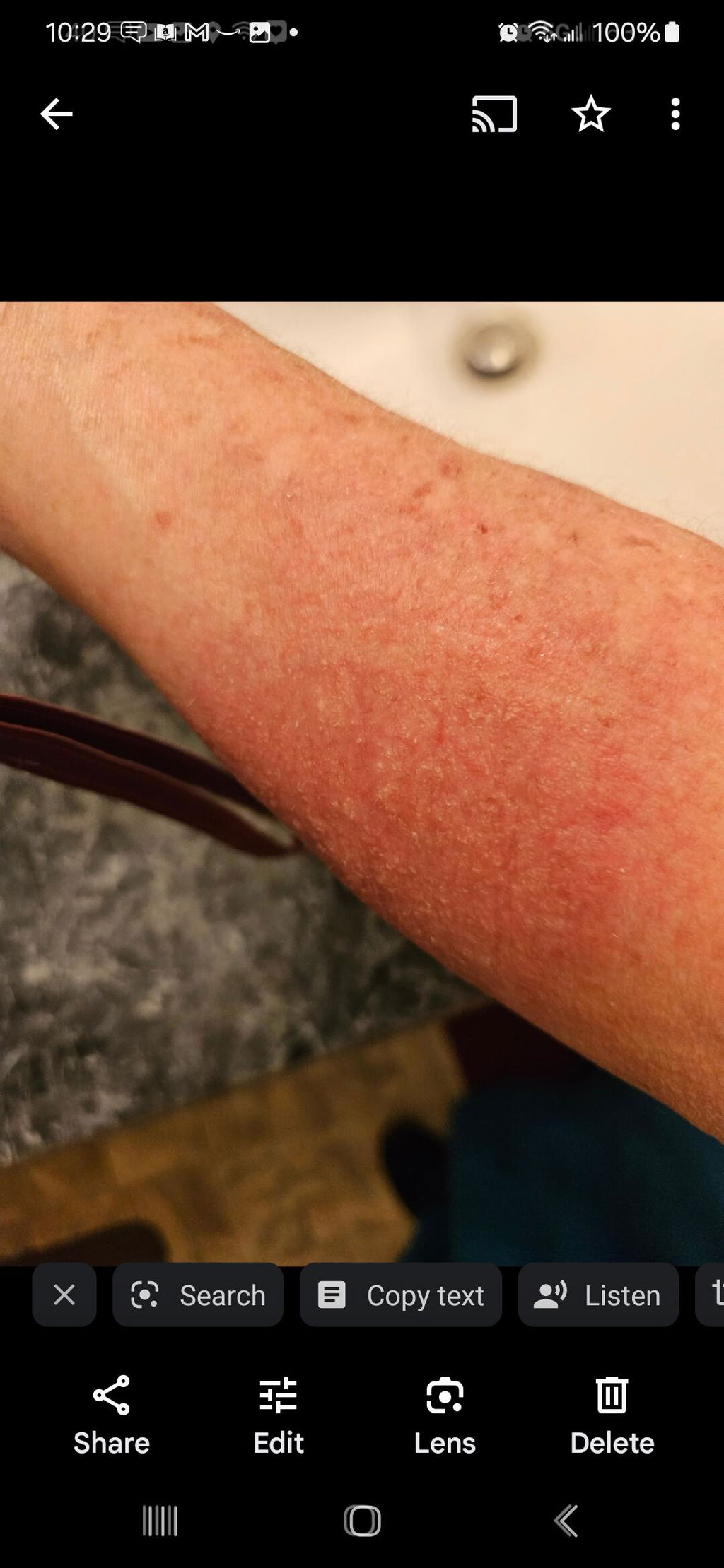
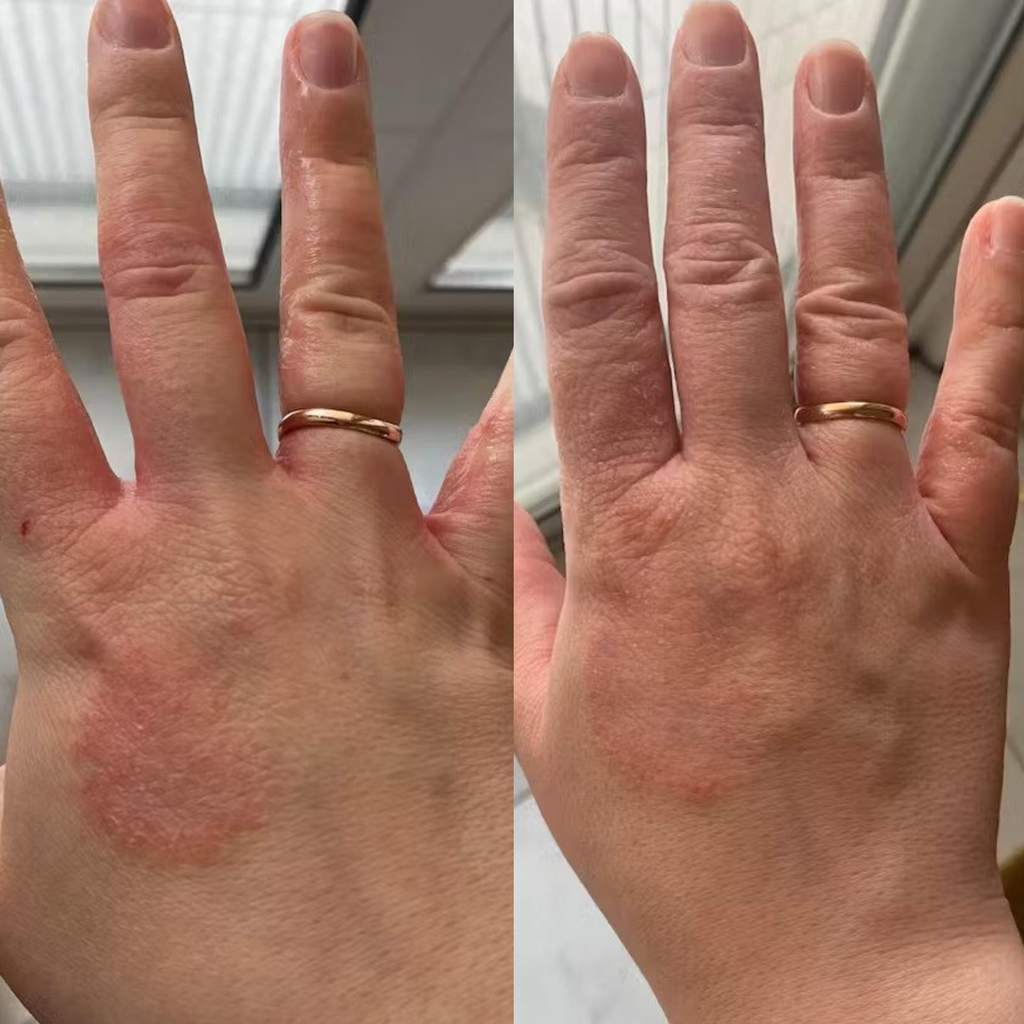
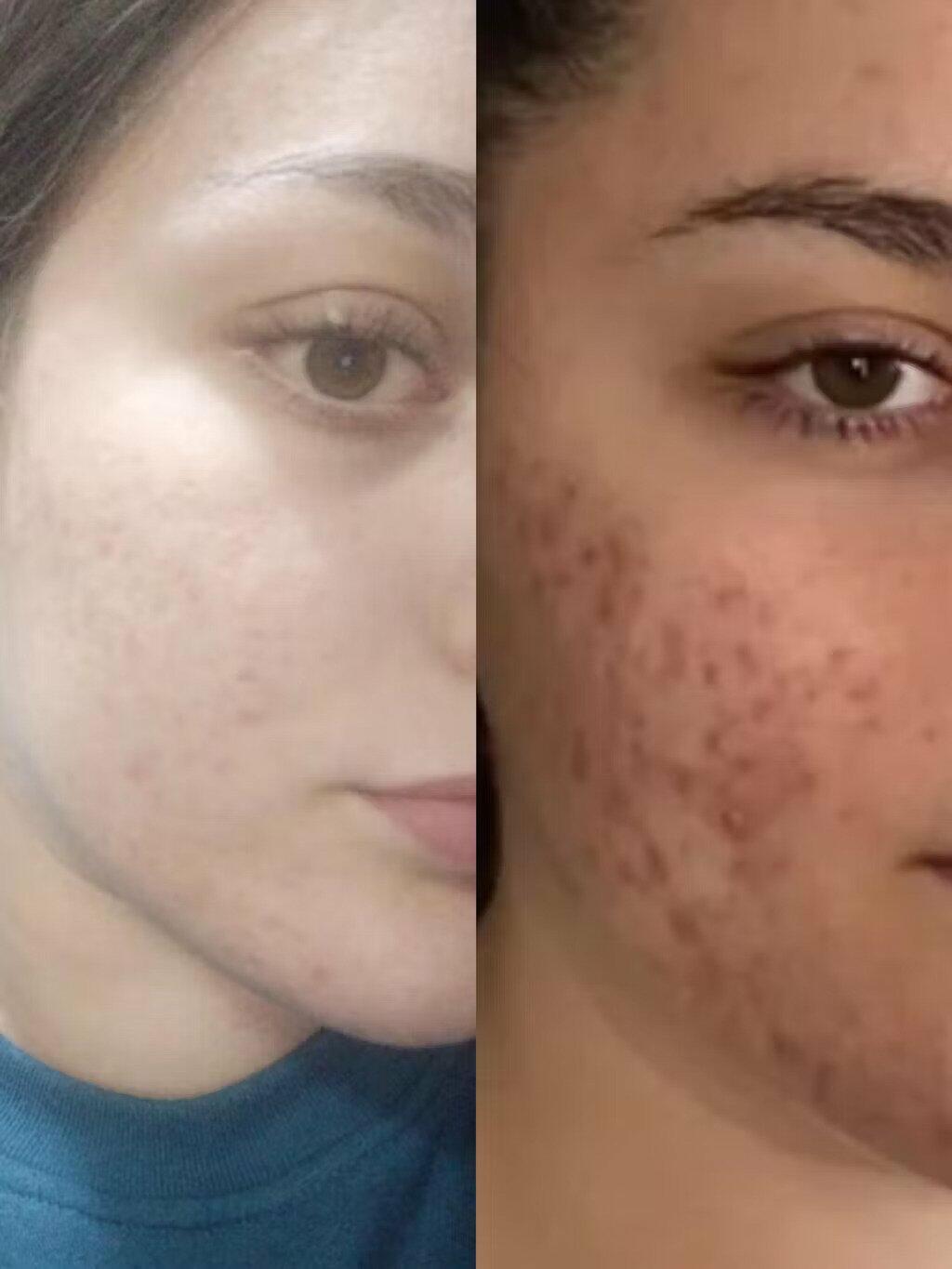
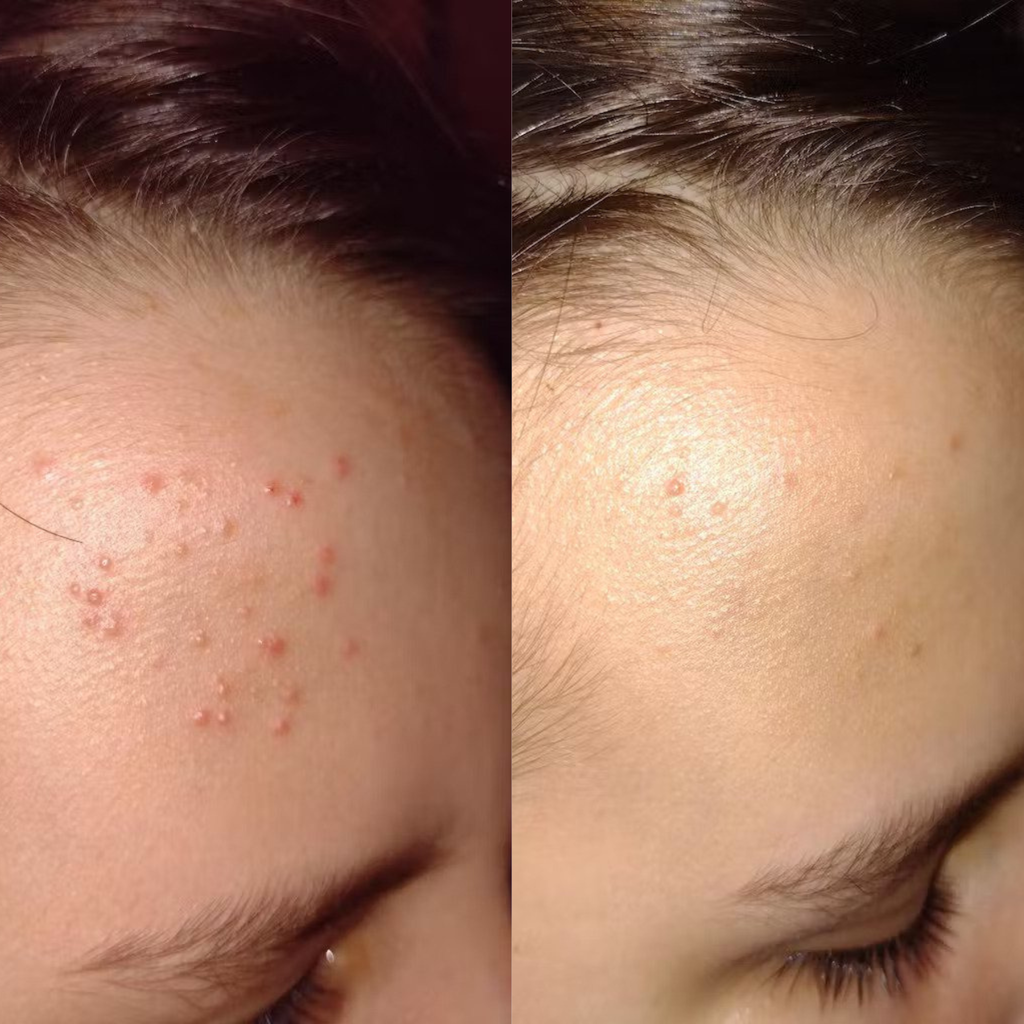
The benefits of lemon balm are felt on skin that overreacts. This is not about dry skin and not about oily skin: it is about skin that flares up for no clear reason and calms down slowly.
The hydrolat is applied neat, on a clean face. It also works well in combination with chamomile, which is the reason the two sit together in one product.
Because of its gentle action, lemon balm is also suited to cleansing care, where the task is to cleanse without tightening.
Lemon balm after sun
The second use is seasonal and is among the most sought-after in summer. After a long day in the sun the skin needs something cool and simple, not a rich cream.
Oil and hydrolat from one and the same distillation

Lemon balm contains very little essential oil, well under one per cent of the fresh mass. During steam distillation the steam carries off the volatile compounds, and on cooling the oil separates on top as a thin layer. A large harvest is needed for a little oil, which is why true lemon balm oil is among the most expensive in the world and is often found on the market diluted or replaced with lemongrass.
The hydrolat is the other product of the same distillation. The water fraction comes out in a much larger quantity than the oil and carries the water-soluble part of the plant's volatile compounds. Organic Melissa Water - Hydrolina is precisely this water: from the same raw material, with nothing added and without dilution.
Our products with lemon balm

Lemon balm is distilled by our family every season and is part of our wider herbal range, although it is not currently sold as a separate product in this shop.
See the whole range
Over 60 products from 11 plants, grown and distilled by us. Creams, shampoos, soaps, salts, essential oils and hydrolats.
See all productsHydrolats onlyHow to use lemon balm every day
Benefits and precautions: who should take care
Herbal cosmetics are care, not treatment. With a skin condition that does not go away, consult a dermatologist.
Frequently asked questions


InaEssentials is a Bulgarian family brand for natural and organic cosmetics. The family has over 25 years of experience in growing essential-oil crops on its own fields, and its products combine centuries-old tradition with the modern and the innovative. A closed production cycle is used - the family controls the whole process, from planting to production and bottling, to ensure the highest quality.
You can find more about the family's journey and the farm on the About us page.
Important information and sources
- European Medicines Agency, Committee on Herbal Medicinal Products, monograph on Melissa officinalis.
- Regulation (EC) No 1223/2009 of the European Parliament on cosmetic products.
- Regulation (EU) 2018/848 on organic production and labelling of organic products.
- Ingredients and prices are as shown on the InaEssentials product pages as of September 2026.
This article was prepared with the help of artificial intelligence and reviewed by the InaEssentials team.
The information in this article is educational and does not constitute medical advice. InaEssentials products are cosmetics, not medicines, and are not intended to diagnose, treat or prevent any disease. For a skin or any other health complaint, consult a doctor. During pregnancy, breastfeeding and for children, consult a specialist before introducing a new cosmetic product.