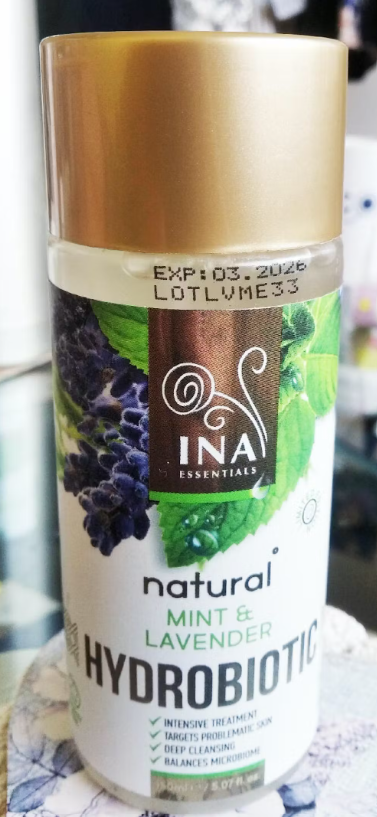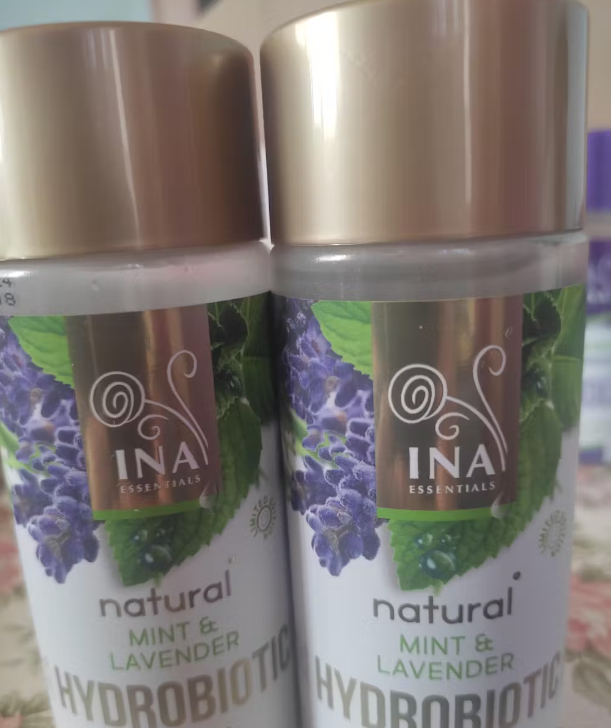
Lavender Lavandula angustifolia and Hydrobiotic Lavender & Mint in the lavender field

Lavender oil: benefits for the skin and how to recognise true lavender

Lavender Lavandula angustifolia and Hydrobiotic Lavender & Mint in the lavender field
Half the lavender on the shelves is not actually lavender. Here is how to tell the true one and what it does for the skin.
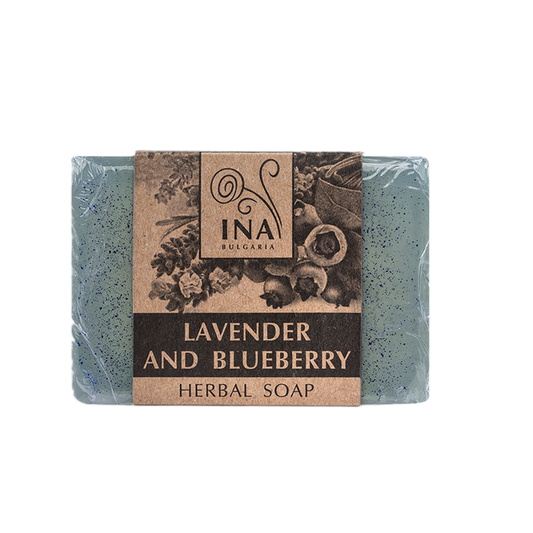
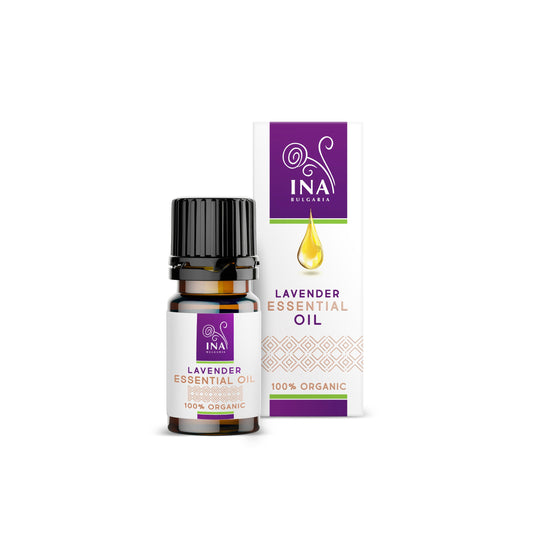
Lavender oil is valued for linalool and linalyl acetate, the two compounds that give both the characteristic scent and the balancing effect on sebum. The species that matters in cosmetics is Lavandula angustifolia, true lavender, not the cheaper hybrid lavandin. In our range lavender goes in as a hydrolat, as an essential oil, in a shampoo, in a hand cream, in a soap and in bath salts.

True lavender and lavandin: the difference that changes everything

Flowering lavender Lavandula angustifolia in the field

Two different things are sold under the name lavender. The first is Lavandula angustifolia, true or narrow-leaved lavender, a plant of higher altitudes with a low camphor content.

The second is lavandin, Lavandula × intermedia, a hybrid between true lavender (Lavandula angustifolia) and spike lavender (Lavandula spica, synonym Lavandula latifolia). Lavandin is larger, more abundant and considerably cheaper to produce, but its oil contains noticeably more camphor and smells sharper.

Lavandula angustifolia
True lavender. A lower shrub, one flower spike per stem, a soft and sweet scent, little camphor. This is what we use.
Lavandula × intermedia
Lavandin. A larger hybrid with branched flower spikes and a sharper, camphorous scent. Cheaper to produce.

Bulgaria is among the largest producers of lavender oil in the world, and most of the land is planted precisely with true lavender. Our fields are part of that tradition.

How we grow and harvest lavender

The Ralchevi family at the lavender harvest with baskets of freshly picked flower spikes
The Ralchevi family at the lavender harvest, with baskets of freshly picked flower spikes.

Lavender loves exactly what other crops cannot stand: poor limestone soil, plenty of sun and little water. Our fields are certified under the rules of organic farming, and one row lives and yields for over ten years.

The harvest is in July and the window is narrow. We cut when about half of the flowers on the spike are open: earlier the oil has not yet built up, later it starts to be lost.

Harvesting lavender with secateurs in the fields of the Ralchevi family
When it is picked
In July, when about half of the flowers are open. The window is about ten days.
The hour of the day
In the morning, after the dew has lifted. In the heat the volatile compounds are lost quickly.
Which part
The flower spikes together with the upper part of the stem. The woody base stays in the field.
Same day in the still
Cut lavender does not sit in a heap, because it overheats and loses oil. Hours after the harvest it goes through steam distillation in the stills.

The actives in lavender and what they do

Lavender flower spike Lavandula angustifolia close up
The silvery hairs on the calyx hold part of the essential oil.

The scent and the action of lavender are due mainly to two compounds. Linalool is a terpene alcohol, and linalyl acetate is its ester. The ratio between the two decides whether the oil will be soft and sweet or sharp.

This is exactly where the difference from lavandin lies. In true lavender there is very little camphor, under 1% of the oil. In lavandin it is usually between 5 and 10%, that is, several times more. That is why its scent is sharper and the skin tolerates it less well.

Linalool
One of the most studied plant compounds in cosmetics. The carrier of the characteristic scent.
Linalyl acetate
The ester of linalool. Gives the sweet, soft note of true lavender.
Lavandulyl acetate
Characteristic precisely of this genus. Part of the signature of a good lavender profile.
Terpinen-4-ol
A compound also known from tea tree. Present in smaller amounts.

The benefits of lavender for acne-prone skin

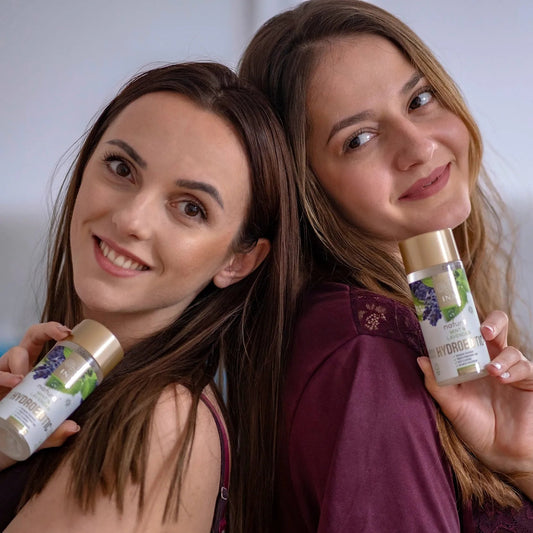
Smiling woman with Hydrobiotic Lavender & MintTwo smiling women with Hydrobiotic Lavender & Mint
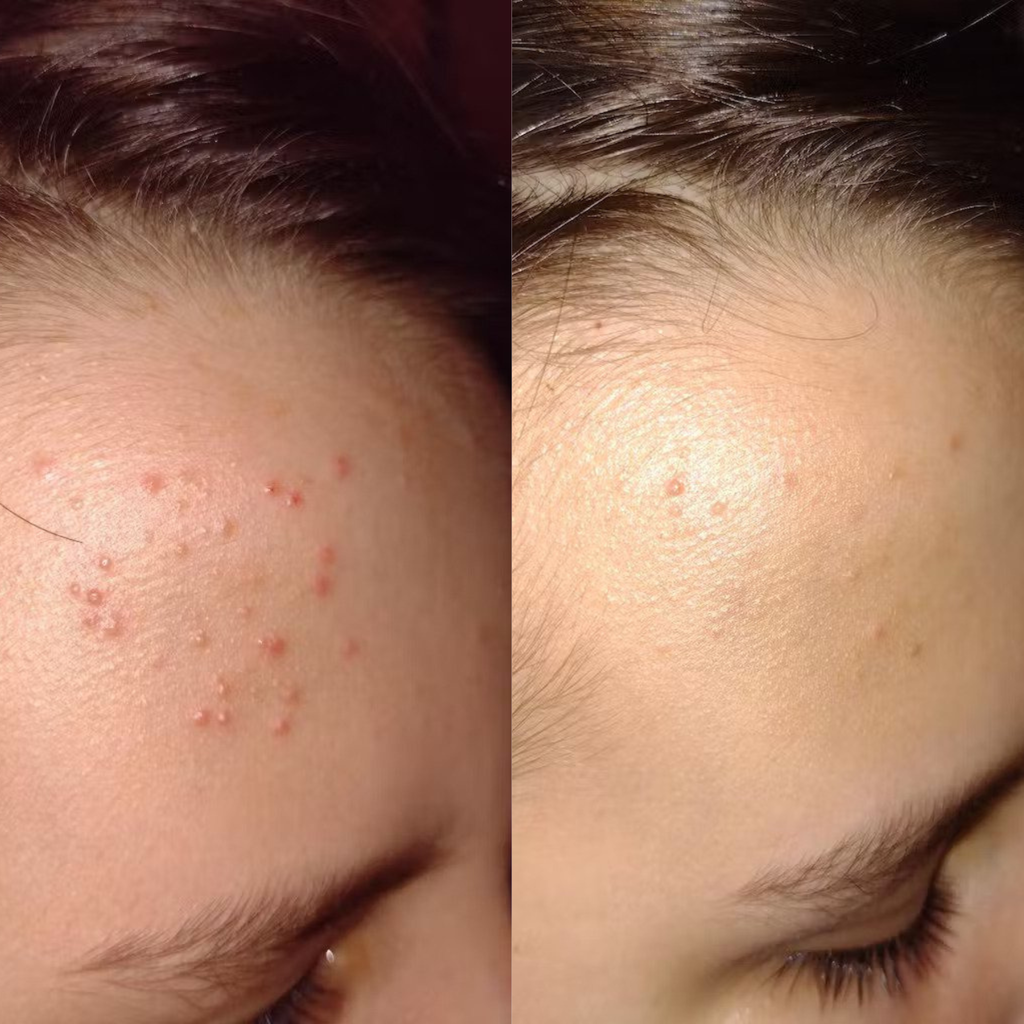
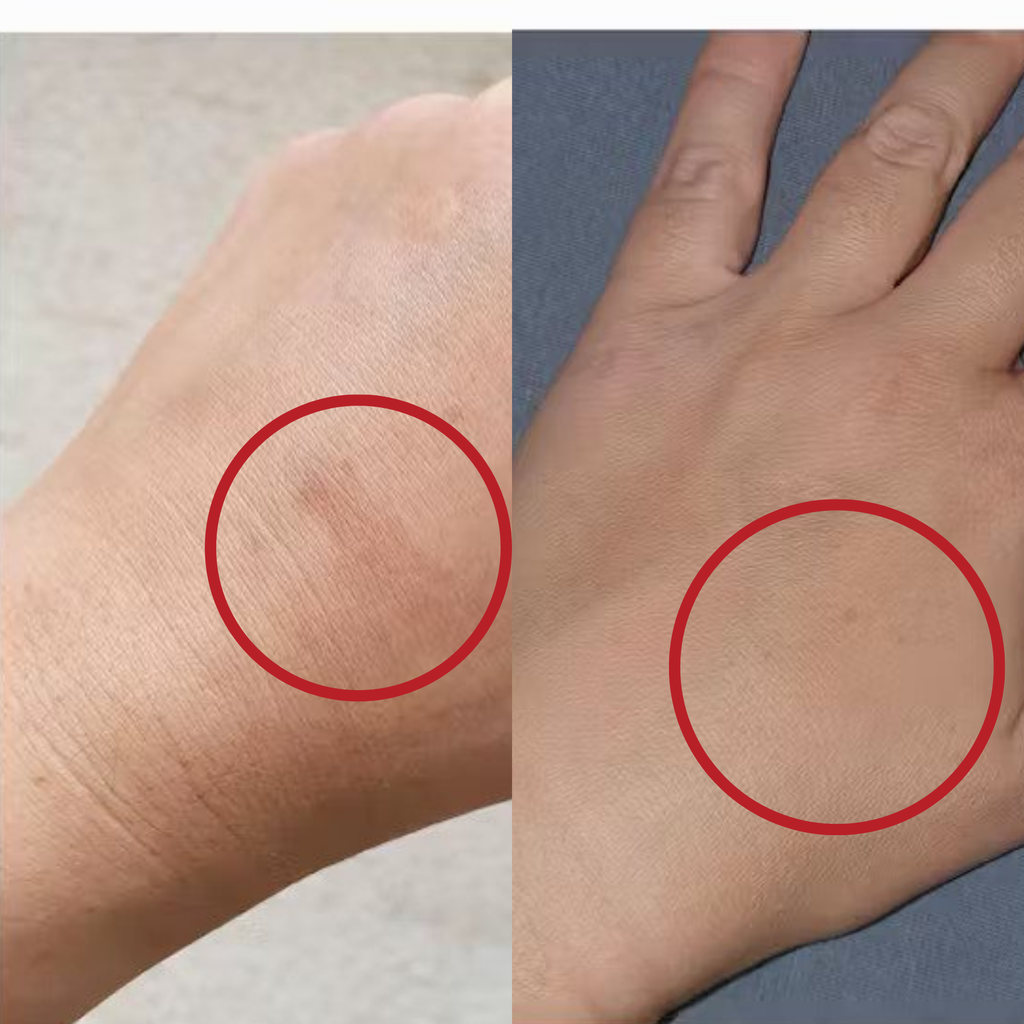
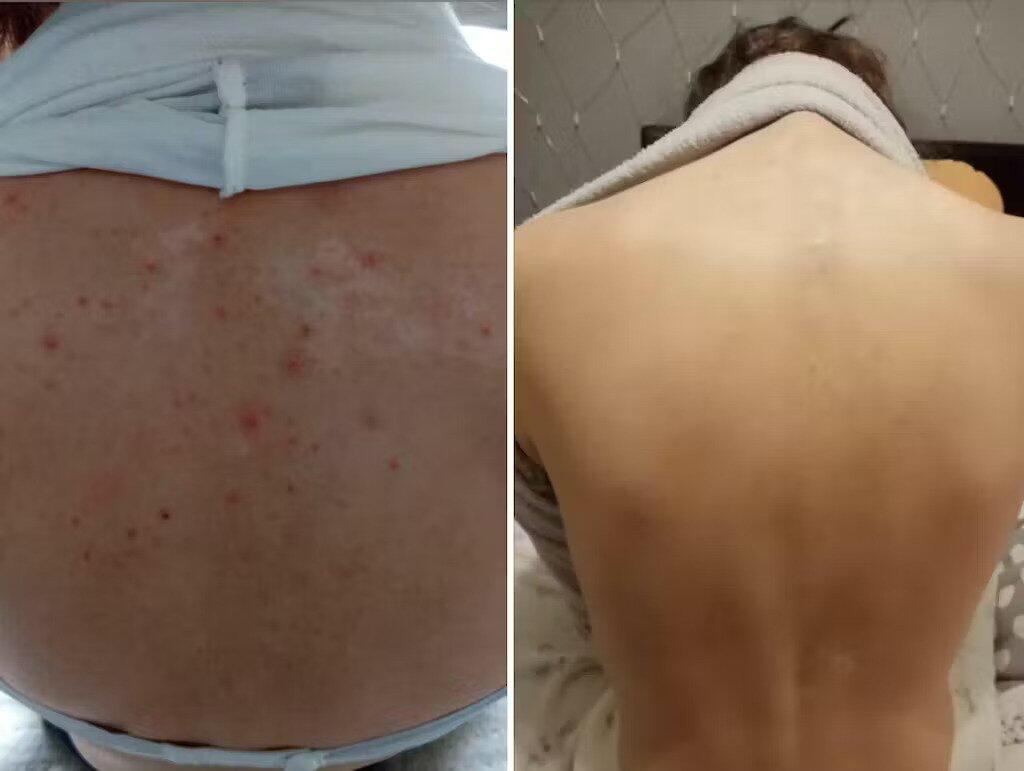
It balances sebum without drying the skin out.

The benefits of lavender for the skin are sought most often for skin prone to acne, enlarged pores and a shiny T-zone. The hydrolat balances the feeling of oiliness without drying, and that is exactly its difference from aggressive alcohol toners.

The practical significance is great. Over-dried skin answers with even more sebum, which sends the routine into a circle. The balancing approach works more slowly, but it does not enter that cycle.

If your skin is both acne-prone and reactive, lavender is a better start than acids. It requires no adjustment period and does not thin the protective barrier.

The benefits of lavender for the scalp and hair

The second use is on the scalp, in care for dandruff and a sensitive scalp, where the task is the same as on the face: balance without over-drying.

If the problem is mainly dandruff and itching, it is worth looking at clary sage too, which works in the same direction and combines well with lavender.

Oil, hydrolat or dried flowers: which and when

Organic Lavender Water Hydrolina on the bottling line

Three different products come out of the same field, and confusion between them is common.

1
Hydrolat. The water fraction of the distillation. Used neat, directly on the skin, every day.
2
Essential oil. The concentrated oily fraction. Always diluted in a carrier base and used in drops.
3
Dried flowers. Do not go through the still. For scenting the home, for sachets and for tea.
1
ingredient: Lavandula Angustifolia Flower Water
10+
years of life of one row of lavender
90
days shelf life after opening

Our products with lavender

Hydrobiotic Lavender & Mint in a flowering lavender field

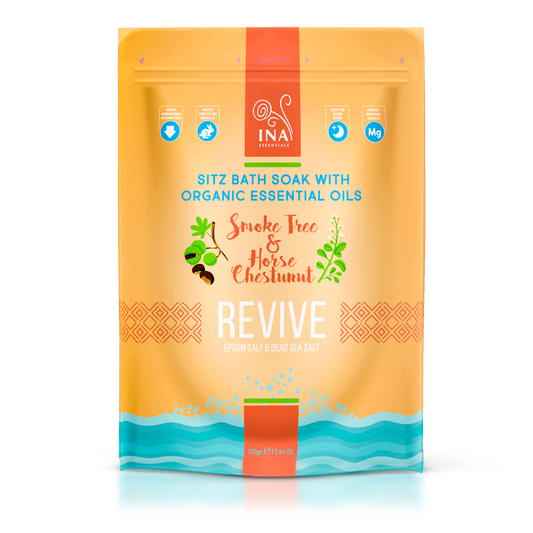
Lavender is the herb with the most forms in our range: hydrolat, essential oil, shampoo, hand cream, soap, bath salts, dried flowers and honey.

In Hydrobiotic Lavender & Mint the two hydrolats are combined with a postbiotic complex from fermented myrtle and mastic tree extract.

See the whole range

Over 60 products from 11 plants, grown and distilled by us. Creams, shampoos, soaps, salts, essential oils and hydrolats.

See all productsAcne care

How to use lavender every day

Hydrobiotic Lavender & Mint held in a hand
An evening step, when the skin recovers.
1
Evening, face. On a clean face, after cleansing. Do not rinse.
2
Locally. Soak a cotton pad and hold it on an inflamed spot for a minute.
3
Scalp. With oily hair, spray along a parting onto the scalp between washes.
4
The oil. Only diluted, in a carrier oil or in the bath salts. Never neat on the skin.

Benefits and precautions: who should take care

The oil is diluted
Lavender essential oil is not applied concentrated, despite the widespread opinion to the contrary.
Linalool is a declared allergen
It is listed on the label as the regulation requires. If you know you react to it, proceed with caution.
Patch test
Apply a small amount to the forearm and wait 24 hours before the first use.
Shelf life after opening
The hydrolat contains no preservatives. Store in a cool, dark place and use within 90 days of opening.

Herbal cosmetics are care, not treatment. With severe or cystic acne, consult a dermatologist.

Frequently asked questions

Organic Lavender Water Hydrolina labels in production
One name on the label and nothing else in the composition.
How do I tell true lavender from lavandin?
By the plant: true lavender is lower and carries one flower spike per stem, while lavandin is large with branched spikes. By the scent: the true one smells sweet and soft, lavandin sharp and camphorous. On the label look for Lavandula angustifolia.
Can I put lavender oil directly on a spot?
We do not recommend it. Although the advice is common, concentrated essential oil on inflamed skin can cause irritation. For local use the hydrolat is more suitable, and the oil is used diluted in a carrier base.
What is the difference between lavender water and lavender oil?
Both come out of the same distillation. The oil is the concentrated oily fraction that rises to the top and is used in drops after dilution. The hydrolat is the water fraction with a much lower concentration of actives and is applied neat to the skin.
Related articles
About the InaEssentials family
The InaEssentials family in the flowering lavender field

InaEssentials is a Bulgarian family brand for natural and organic cosmetics. The family has over 25 years of experience in growing essential-oil crops on its own fields, and its products combine centuries-old tradition with the modern and the innovative. A closed production cycle is used - the family controls the whole process, from planting to production and bottling, to ensure the highest quality.

You can find more about the family's journey and the farm on the About us page.

Important information and sources
  • European Medicines Agency, Committee on Herbal Medicinal Products, monograph on Lavandula angustifolia.
  • Regulation (EC) No 1223/2009 of the European Parliament on cosmetic products, annex on fragrance allergens to be declared.
  • Regulation (EU) 2018/848 on organic production and labelling of organic products.
  • Ingredients and prices are as shown on the InaEssentials product pages as of September 2026.

This article was prepared with the help of artificial intelligence and reviewed by the InaEssentials team.

The information in this article is educational and does not constitute medical advice. InaEssentials products are cosmetics, not medicines, and are not intended to diagnose, treat or prevent any disease. For a skin or any other health complaint, consult a doctor. During pregnancy, breastfeeding and for children, consult a specialist before introducing a new cosmetic product.

Back to blog

“A Purpose Beyond Profit: How Our Brand Makes an Impact”

At InaEssentials, we believe in giving back to the communities that have supported us. That is why we are proud to offer employment opportunities to members of minority groups, helping to sustain their livelihoods and secure a brighter future for them. By choosing our organic products, you are not only improving your own health and beauty — you are also making a positive difference in the lives of others. Join us and be part of the change today.