

Hair loss can affect anyone, regardless of age or gender. It can lead to significant thinning and even complete baldness. The causes vary widely — from genetics and hormonal changes to stress and nutrient deficiencies. Different types of hair loss call for different treatment and prevention methods.
In this article we look in detail at the different forms of hair loss — androgenetic, diffuse, alopecia areata, cicatricial, as well as traumatic alopecia and trichotillomania — their causes, symptoms and treatment options.

Androgenetic alopecia (hereditary, progressive hair loss)

This is the most common form of hair loss, affecting a large share of men and women. It is chronic and becomes more frequent with age, especially after 50. The follicles are overly sensitive to androgens, particularly DHT. In men it is most pronounced at the crown and the fronto-temporal area (the "M" shape); in women, thinning is even across the top of the scalp, around the parting.
Diffuse alopecia / telogen effluvium (reactive)
Diffuse alopecia is characterised by even shedding across the whole scalp, leading to loss of volume and density. It is usually temporary — under six months — and easily reversible with the right scalp and hair care. In telogen effluvium, sudden stress or illness pushes many hairs prematurely into the resting phase. Seasonal and postpartum shedding are typical examples; hair usually regrows once the trigger passes.
Alopecia areata (autoimmune)

An autoimmune condition in which the immune system attacks the follicles, causing round or oval bald patches on the scalp and sometimes elsewhere on the body. It appears suddenly and can affect any age. In severe cases it may progress to alopecia totalis (all scalp hair) or universalis (all body hair). Many people see significant improvement with adequate care and support.
Cicatricial alopecia (scarring, inflammatory)
A group of conditions that cause permanent, irreversible loss of follicles, replaced by scar tissue. It results from inflammation affecting the upper part of the follicle, where the stem cells and sebaceous glands sit. It may be accompanied by itching, burning, pain, redness and flaking. Autoimmune diseases such as lichen planopilaris and discoid lupus are the most common causes.
Traumatic alopecia (traction, heat, chemicals)

Traumatic alopecia results from physical damage to the hair and scalp, often from styling that involves strong pulling or chemicals — excessive use of straighteners, rollers, aggressive dyeing or perms. Traction alopecia, a form of it, is caused by long-term wearing of tight hairstyles that strain the roots. Treatment involves changing styling habits and limiting chemical and heat use.
Trichotillomania (psychological)
Trichotillomania is a psychological disorder characterised by an uncontrollable urge to pull out one's own hair, affecting the scalp, eyebrows or lashes. It is often linked to stress and anxiety and may begin in childhood. Effective treatment includes cognitive behavioural therapy and, where needed, medication to reduce anxiety and impulsivity.
Treating the different types of hair loss
Hair loss is complex and varies in type and treatment, but there is hope and there are solutions. Understanding the causes and options is the first step toward restoring the health of your hair and your confidence, and may include various therapies, supplements and medicines.
Importantly, natural products often provide beneficial solutions without the risk of side effects that can come with conventional medicines. Products based on natural ingredients like nettle, oak bark, liquorice and clary sage are gaining popularity among those facing hair loss.
- Natural Nettle Shampoo: gently cleanses and stimulates growth, enriched with nettle, postbiotic and essential oils.
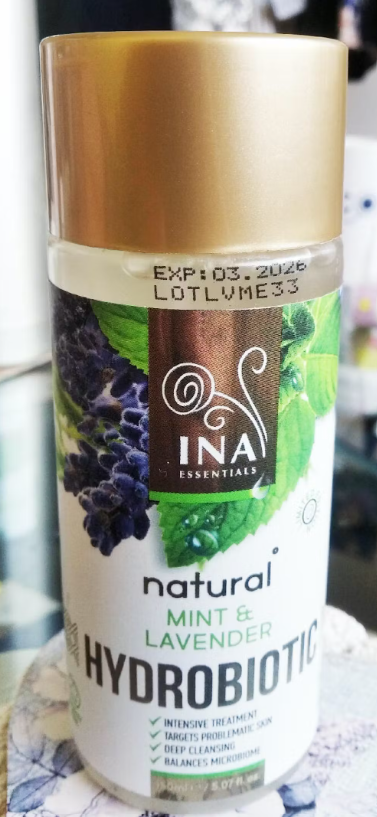
- Hydrobiotic – Nettle & Clary Sage: an innovative leave-in formula that hydrates deeply and balances the scalp microbiome.
Frequently asked questions about types of hair loss
1. What is the most common type of hair loss?
Androgenetic alopecia — hereditary, progressive hair loss linked to sensitivity of the follicles to DHT — is the most common in both men and women.
2. Which types of hair loss are reversible?
Reactive forms such as telogen effluvium (including seasonal and postpartum shedding) are usually reversible; scarring (cicatricial) alopecia leads to permanent loss.
3. Can natural care help with hair loss?
Gentle care with nettle and clary sage supports a healthy scalp and the feeling of stronger hair. For sudden patchy loss or persistent shedding, see a dermatologist.
Sources and important information
The information in this article is educational and does not replace advice from a doctor or dermatologist. InaEssentials products are natural cosmetics, not medicines, and support the care of hair and scalp without treating diseases. For persistent or severe hair loss, consult a specialist.